Finding the right weight belt for freediving can improve buoyancy control, streamline your dive, and enhance safety. The following selections emphasize durable materials, secure fasteners, and quick-release features essential for freediving, spearfishing, or scuba pursuits. Below you’ll find five well-rated options, each with notable design strengths and practical considerations to help you choose the belt that fits your diving style.
| Product | Brand | Approx. Length | Notable Feature |
|---|---|---|---|
| DIVJINGHAO Diving Weight Belt (Black) | DIVJINGHAO | 53 inches (1.35 m) | Quick-release Marseillaise stainless steel buckle; durable rubber construction |
| Riffe Rubber Weight Belt with Buckle | Riffe | 54 inches (137 cm) Long | Fully adjustable; secure cam-lock buckle; fast ditch via release lever |
| Seac Nylon Buckle Weight Belt (Black) | SEAC | Standard 2″ webbing (length varies by order) | Nylon quick-release buckle; versatile for hard block or soft weight pockets |
| DIVJINGHAO Diving Weight Belt (White) | DIVJINGHAO | 53 inches (1.35 m) | Durable rubber with secure stainless steel buckle; suitable for multiple underwater activities |
| Cressi Paros Nylon Weight Belt (Black) | Cressi | Standard length (noted for 2″ webbing) | Strong nylon construction; quick-release stainless buckle |
DIVJINGHAO Black Weight Belt With Quick Release
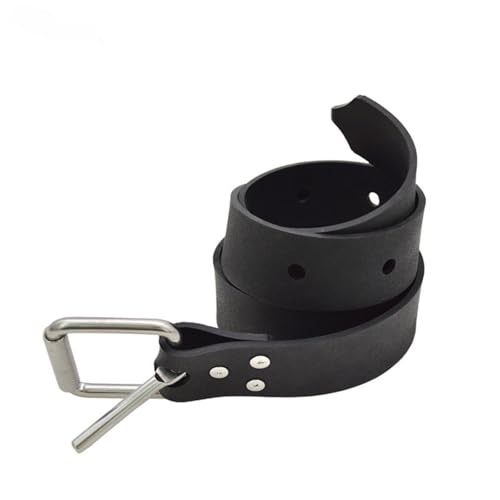
The DIVJINGHAO weight belt features a rubber belt built for durability in demanding underwater environments. A Marseillaise stainless steel buckle provides a reliable, secure closure, important for deep freedives and nuanced buoyancy control. The belt is designed for versatility, suitable for freediving, scuba, and spearfishing, making it a practical option for divers who engage in multiple underwater activities.
Riffe Rubber Weight Belt With Buckle

The Riffe belt provides a fully adjustable 54-inch (137 cm) length and a 2 mm thick rubber belt to balance weight distribution. Its glass-filled nylon cam-lock buckle helps prevent belt slippage, while the inner ribbed belt keeps weights in place. A quick-release lever enables fast ditching, which can be critical in emergency surfacing scenarios.
Seac Nylon Weight Belt, Black

Designed for comfort and safety, the Seac belt uses durable nylon with a quick-release buckle for rapid release in emergencies. Its flexible rubber enhances comfort and allows the belt to contour to body shapes during extended dives. It’s adaptable to both hard block weights and soft pockets, supporting a range of diving preferences.
DIVJINGHAO White Weight Belt With Quick Release
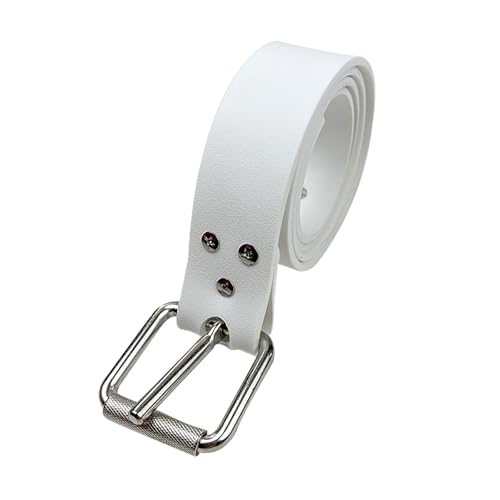
This white variant mirrors the black version with a durable rubber belt and a Marseillaise stainless steel buckle. Its design emphasizes reliability and ease of use for freediving and other underwater activities, ensuring consistent weight distribution and quick ditch capability when needed.
Cressi Paros Nylon Weight Belt, Black
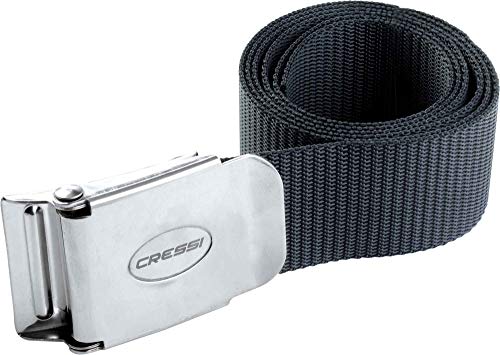
The Cressi Paros belt uses a strong woven nylon construction with a quick-release stainless steel buckle. It supports a reliable and rapid emergency release, which is vital in freediving and spearfishing scenarios. The belt’s flexibility makes it comfortable for various body types and diving activities, with compatibility for both hard block and soft pocket lead weights.
Buying Guide: Key Purchase Considerations
- Materials and durability: Look for rubber or silicone belts with stainless steel buckles for longevity and corrosion resistance in saltwater environments.
- Fastening system: Quick-release buckles are essential for rapid ascents in emergencies. Ensure the buckle stays secure during dives but is easy to release when needed.
- Length and sizing: Freediving belts often range around 53–60 inches; choose a belt that can be trimmed or adjusted to fit your waist and gear load without excessive tightening.
- Weight capacity and distribution: Depending on your dive type, you may need more or fewer weights. Belts that offer even distribution and a secure locking mechanism prevent shifting during dives.
- Compatibility: Verify whether the belt supports both hard blocks and soft weight pockets, especially if you switch between different diving setups.
- Maintenance: Rinse with fresh water after saltwater use and inspect buckles and straps for wear. Replace any frayed straps or compromised fasteners promptly.
- Intended use: Freediving and spearfishing often demand fewer but heavier weights with reliable quick-release. Scuba divers may require longer belts or extra weight pockets for deeper dives.
When selecting a weight belt for freediving, prioritize a secure yet accessible release mechanism, consistent weight distribution, and materials that resist saltwater wear. The options above emphasize quick release, solid buckles, and flexible materials to accommodate a range of diving styles while maintaining safety and comfort beneath the waves.