Triathlons demand speed, comfort, and optimal mobility. The right tri bike saddle can reduce numbness, improve blood flow, and give you clean thigh clearance for aggressive aero positions. This guide highlights top noseless and ergonomic saddles designed for triathlons, road, and time-trial use, with a practical buying guide to help you compare features and pick the best fit for your riding style.
| Product | Brand | Key Benefit |
|---|---|---|
| ISM PN 3.1 Padded Road Bike Saddle | ISM | Noseless design, enhanced blood flow, excellent leg clearance |
| ROCKBROS Bike Seat | ROCKBROS | Soft cushion, durable base, breathable design |
| Fabric Tri Elite Flat Saddle | Fabric | Integrated bottle mount, central relief channel |
| ISM PR Series Noseless Saddle | ISM | Noseless comfort, improved rear-end clearance |
| Prologo Dimension TRI Tirox Rail | Prologo | Triathlon-specific design, lightweight rail |
Throughout this article, each product section presents a concise overview, supported by the features that matter most for triathlons and aero riding. The buying guide at the end compares design approaches, materials, and mounting options to help you tailor a saddle to your body and racing goals.
ISM PN 3.1 Padded Road Bike Saddle

Designed with a patented noseless shape, the PN 3.1 aims to optimize blood flow and reduce numbness during long rides. This professional-grade saddle was developed in collaboration with pro cyclists and emphasizes anatomic relief for comfort on road, time-trial, and gravel setups. Its tapered front promotes full freedom of movement, which can be especially advantageous in aggressive cornering and fast descents.
ROCKBROS Bike Seat

This ergonomic saddle uses premium PU material with high-density foam and a sturdy iron base. Its arched shock-absorbing design adds durability while maintaining lightweight performance. The hollow, breathable structure and narrow front promote freedom of movement in aero positions, while the wider rear supports riders on longer sections of race or training routes.
Fabric Tri Elite Flat Saddle

The Tri Elite Flat Saddle by Fabric features CroMo rails for strength and a 134mm x 240mm platform that’s tuned for triathletes and time-trialists. It includes a central pressure relief channel to help reduce perineal pressure and a design optimized for efficient pedaling and endurance comfort in a forward-leaning riding posture.
ISM PR Series Noseless Saddle

Part of ISM’s noseless lineup, the PR Series focuses on anatomic relief with enhanced rear-end clearance and reduced numbness. Developed with feedback from professional riders, this saddle is designed for a comfortable, race-ready position that minimizes soft tissue pressure without sacrificing stability or control over long rides.
Prologo Dimension TRI Tirox Rail
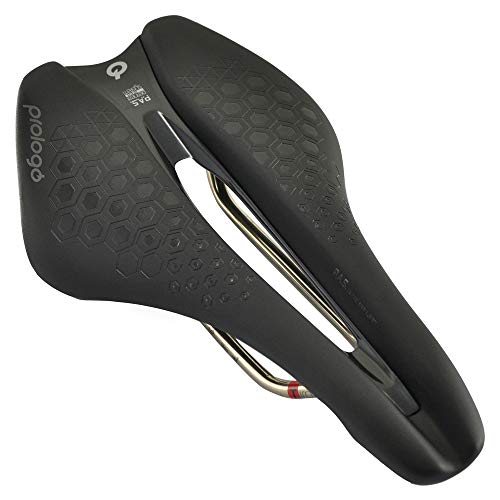
Prologo’s TRI Tirox rail saddle is built for triathlons with a compact footprint and durable rails. Its dimensions and mounting options suit aero bikes and time-trial setups where weight, stiffness, and compatibility with bottle mounts and other aero accessories are critical considerations for performance riders.
Prologo Dimension TRI T4.0 Rail

The TRI T4.0 model emphasizes a balanced combination of comfort and aerodynamics, featuring foam-based padding and a road-friendly width. The rail system supports precise saddle positioning, which is essential for riders dialing in a triathlon fit or road-racing stance over long distances.
OUXI Comfort Bike Seat
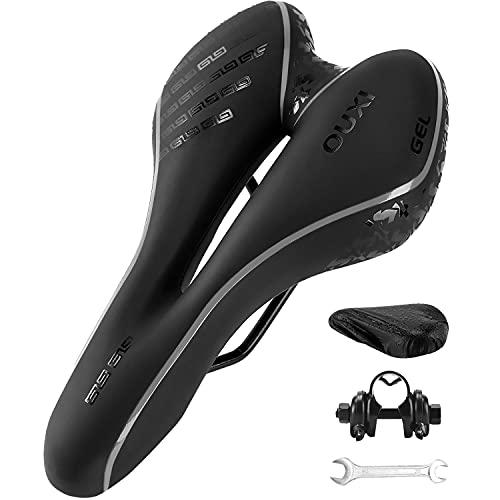
OUXI’s Comfort Bike Seat emphasizes gel padding, non-slip texture, and a wider rear surface for support across different body shapes. Aimed at reducing stress on the sit bones, this saddle is designed for long rides and multi-genre bikes, from mountain to road, with a focus on durability and comfort.
ISM PS 2.0 No Nose Saddle

The PS 2.0 noseless saddle is designed for aggressive riders who spend extended periods in aero positions. It features upgraded padding and a sleek cover, aimed at reducing numbness while maintaining stability and comfort during high-speed or time-trial efforts.
Buying Guide: Key Purchase Considerations
Primary design philosophies for tri bike saddles fall into a few clear categories: noseless relief, central pressure relief channels, and compact, tri-focused shapes. When choosing a saddle, consider:
- Riding position and anatomy: If you sit in an aggressive aero position, a noseless design or a pronounced relief channel can decrease perineal pressure and improve blood flow.
- Width and length: Ensure the saddle width matches sit bone distance and that the saddle length provides adequate clearance for hip movement in a forward-tilted posture.
- Padding type and density: Softer padding can enhance comfort on long rides, but may compromise stability for aggressive racers. Consider a balance that suits your endurance goals.
- Rails and weight: CroMo or alloy rails add weight but can improve durability and adjustability. Lightweight options are beneficial for climbing and sprint sections but check compatibility with your seatpost clamp.
- Bottle mounts and accessories: Integrated mounts can reduce drag and keep hydration within reach during a triathlon or long ride.
- Material durability and weather resistance: PU and synthetic covers are common; ensure the cover resists wear and rain exposure for long-term use.
- Installation compatibility: Verify saddle rails and clamp compatibility with your bicycle frame and seatpost.
Multiple perspectives matter: racers prioritize light weight and precise aero positioning, endurance riders may favor thicker padding and broader rear support, and casual riders may value comfort and durability. Testing several shapes and widths can reveal the best fit for your anatomy and riding style.