The right trail running shoes can ease knee pain by offering extra cushioning, stable midsoles, and a supportive fit that reduces impact. This guide reviews five well-suited options for runners with sensitive knees, focusing on cushioning, stability, and durability across varied terrains. Each model below is selected for its capacity to absorb impact, provide reliable traction, and support longer, more comfortable trails.
Quick reference
| Product | Brand | Key Benefit For Knees | Notable Feature | URL |
|---|---|---|---|---|
| Adidas Terrex Tracefinder 2 | adidas | Cushioning with 10 mm drop for smoother heel-to-toe transition | Breathable mesh upper; light and durable | Amazon |
| Salomon Speedcross GTX | Salomon | Waterproof protection with proven grip and comfort | Gore-Tex membrane; anti-debris upper | Amazon |
| ALTRA Olympus 6 | ALTRA | Roomy toe box with stable, ground-grabbing traction | Vibram Megagrip; GaiterTrap | Amazon |
| ASICS NOVABLAST 5 Trail | ASICS | Lightweight cushioning for long miles | FF BLAST MAX cushioning; breathable mesh | Amazon |
| Brooks Glycerin 22 (Women) | Brooks | Premium cushioning and smooth transitions | DNA Tuned cushioning; diabetic-friendly | Amazon |
Below are five evaluated options that emphasize cushioning, stable midsole geometry, and reliable traction to support knees during off-road runs. Each entry includes a concise overview of the design intent and why it matters for knee comfort on trails.
Adidas Terrex Tracefinder 2 Trail Shoe

The Adidas Terrex Tracefinder 2 focuses on a balanced midsole drop and a lightweight, breathable upper. Weighing around 12.2 ounces in a men’s size 9, it delivers a 10 mm heel-to-toe drop (heel 30 mm / forefoot 20 mm) that can help reduce abrupt knee loading by smoothing transitions. The mesh and synthetic upper blend breathability with durability for longer trail sessions. This model emphasizes versatility, suitable for mixed terrain, which can reduce repetitive knee stress by maintaining consistent footing and cushion across climbs and descents.
Key considerations for knee comfort: tread pattern, adequate midsole cushioning, and a secure fit to prevent foot movement inside the shoe. The Tracefinder 2 provides a steady platform with a lighter build, aiding fatigue resistance on longer runs. For runners who prefer a lighter shoe with dependable protection, this is a strong option to consider.
Salomon Speedcross GTX Trail Shoe
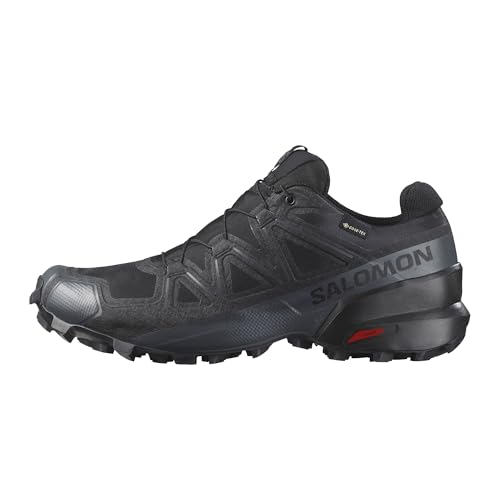
Salomon’s Speedcross GTX is built for rugged conditions with a waterproof Gore-Tex membrane and a protective upper designed to keep debris out. Its standout feature is robust grip and cushioning that can absorb rough terrain shocks, which helps minimize knee impact over uneven trails. The waterproof upper ensures comfort in damp or muddy environments, while the floating tongue design reduces pressure points along the top of the foot. This combination makes it a resilient option for runners who encounter variable weather and challenging surfaces on the same course.
Important knee-friendly traits include stable outsole geometry and protective upper construction. The GTX variant adds weatherproof confidence, preserving stride integrity and minimizing sudden heel-rise or roll that can contribute to knee strain on slippery or rocky sections.
ALTRA Olympus 6 Trail Running Shoe

ALTRA Olympus 6 emphasizes a roomy FootShape fit with a wide toe box and a stable base. The Vibram Megagrip outsole offers confident traction on both wet and dry surfaces, supporting controlled foot placement. GaiterTrap provides easy gaiter integration to prevent debris intrusion. For knee comfort, the combination of a stable platform, generous midfoot width, and effective grip reduces unnecessary foot movement and compensatory knee adjustments during climbs or descents. The result is a smoother, more natural stride that can lessen knee fatigue on longer routes.
Brooks Glycerin 22 Trail Shoe

Brooks Glycerin 22 is renowned for luxurious cushioning and smooth transitions, making it a strong candidate for knee comfort on trails. The DNA Tuned midsole technology combines larger cells in the heel with smaller cells toward the forefoot, delivering soft landings and an energetic toe-off. This model is designed to provide a plush ride while maintaining a stable ride feel, which can help reduce harsh impacts that contribute to knee discomfort during extended trail runs. It’s a neutral support shoe, well-suited for runners seeking generous cushioning on varied terrain—particularly after hours of impact.
Buying Guide: Key Considerations For Knee-Supportive Trail Shoes
Choosing trail shoes that protect the knees involves balancing cushioning, stability, weight, and terrain compatibility. Consider these perspectives to match your needs:
- Midsole cushioning and drop: Shoes with higher cushion total and a moderate heel-to-toe drop can help absorb impact at landing and reduce knee strain on downhill sections. Test different drops to find your preferred feel.
- Stability vs. flexibility: A stable platform reduces lateral movement and missteps on uneven surfaces. However, some runners may prefer a slightly more flexible forefoot for a natural stride; select based on your gait and knee history.
- Traction and terrain: For muddy or rocky trails, outsole grip is critical. Deep lugs and grippy rubber improve confidence and reduce corrective foot motions that stress the knees.
- Upper protection and fit: A snug midfoot with a secure heel reduces foot sliding, which can transfer unwanted motion to the knee. Waterproof or water-resistant uppers can maintain comfort in wet conditions, indirectly supporting knee comfort by keeping you dry and stable.
- Toe box and forefoot space: A roomy toe box helps prevent forefoot squeezing, which can influence balance and knee alignment during longer runs or steep descents.
- Weight versus durability: Lighter shoes reduce fatigue but may offer less cushion. Heavier models often include more durable midsoles and protective features that can better protect knees over time.
When evaluating models, consider a test run on familiar terrain before committing to longer trips. If knee pain persists, consult a medical professional or a gait analysis to tailor footwear, orthotics, or running form adjustments to your needs. The five models above provide a range of cushioning and stability options, enabling you to find a trail shoe that aligns with your knee comfort goals without sacrificing grip or durability.