Finding the right speed sensor for a bike trainer hinges on accuracy, compatibility, and ease of use. This guide highlights five highly-rated options that work with popular apps and devices, helping you track speed, cadence, and distance whether you ride indoors or outdoors. Each product is evaluated for Bluetooth and ANT+ compatibility, installation ease, and how well it pairs with common training platforms like Zwift, Peloton, and Garmin Connect. Use the quick-reference buying guide below to compare features at a glance.
| Product | Mode | Connectivity | Best For |
|---|---|---|---|
| Magene S3+ | Speed or Cadence (requires separate sensors) | BLE/ANT+ | Multi-device use with gym/class setups |
| Wahoo RPM | Cadence (speed option via compatible tools) | Bluetooth/ANT+ | Wahoo ecosystem and Zwift users |
| Garmin Speed Sensor 2 | Speed (and cadence via separate sensor) | ANT+/BLE | Garmin devices and Garmin Connect users |
| CooSpo Cadence & Speed Sensor BK467 | Cadence & Speed | Bluetooth/ANT+ | Broad device compatibility |
| COOSPO 2-in-1 Cadence & Speed | Cadence & Speed | Bluetooth/ANT+ | All-in-one sensor option |
Magene S3+ Outdoor/Indoor Speed/Cadence Sensor
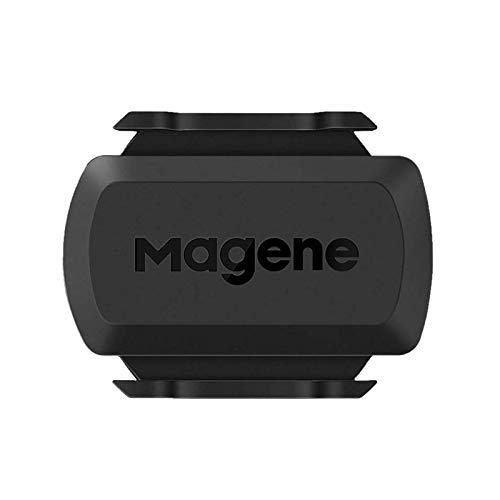
The Magene S3+ is designed for indoor trainers and outdoor rides, offering a dual-mode sensor that can operate in speed or cadence mode depending on setup. A single unit supports Bluetooth or ANT+ communications, but mode selection requires choosing one measurement at a time, so many users opt for a second unit to monitor speed and cadence simultaneously. Replacing the battery’s insulating sheet before use ensures proper activation. It integrates with popular apps like Onelap, Wahoo Fitness, Zwift, and more, though Bluetooth connections may be limited to one app at a time.
Wahoo RPM Cycling Cadence Sensor
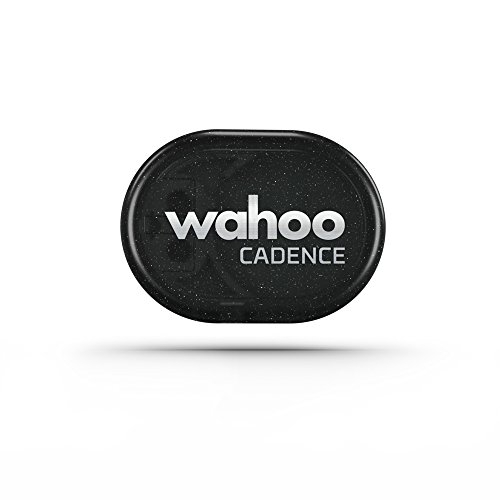
The Wahoo RPM Cadence Sensor provides real-time cadence data and is compatible with many training apps such as Zwift and Peloton Digital, via Bluetooth. It focuses on cadence measurement, but when paired with speed-capable devices or apps, you can monitor both metrics. It features dual-band technology (ANT+ and Bluetooth Smart), enabling connections to smartphones, tablets, and bike computers. This makes it a strong choice for users deeply invested in the Wahoo ecosystem or Garmin-connected setups that support Wahoo data streams.
Garmin Speed Sensor 2

The Garmin Speed Sensor 2 attaches to either wheel hub and self-calibrates with compatible Garmin devices or Edge cycling computers. It provides accurate speed and distance data even without a head unit and supports both ANT+ and Bluetooth Low Energy technology to sync with Garmin Connect and other training apps. A separate cadence sensor can be added for full cadence tracking. This sensor is ideal for riders using Garmin devices across indoor and outdoor environments, offering seamless integration with Garmin’s ecosystem.
COOSPO Cadence & Speed Sensor BK467
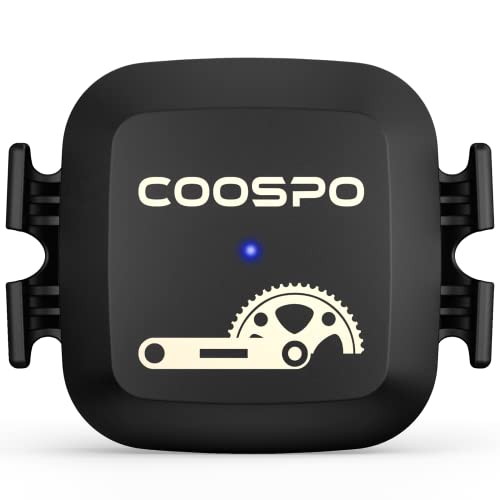
The COOSPO BK467 package includes a cadence and speed sensor that works with Bluetooth and ANT+. It allows real-time cadence and speed data on bike computers or smartphone apps. Note that Bluetooth connections may restrict to one app or device concurrently, while ANT+ can connect to multiple devices. This flexibility makes the BK467 a strong choice for users who run multiple devices or displays in training environments, including indoor trainers and outdoor rides.
COOSPO Cadence & Speed Sensor 2-in-1
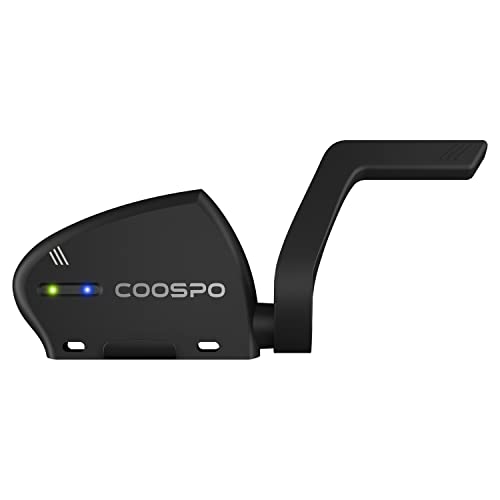
COOSPO’s 2-in-1 sensor combines cadence and speed measurement in a single unit, supporting both Bluetooth and ANT+ for broad compatibility with Android and iOS apps as well as GPS bike computers. It provides accurate real-time data and supports diverse platforms like Rouvy, Peloton, and Wahoo. Bluetooth connections may limit to one app at a time, while ANT+ can feed several devices, making it suitable for riders who want a central data source across multiple displays.
Buying Guide
Key purchase considerations help determine the best fit for indoor cycling and trainer use. First, decide on compatibility: do you rely on Bluetooth, ANT+, or both, and what devices or apps do you plan to use (Garmin, Zwift, Peloton, Wahoo, etc.)? Second, establish whether you need speed, cadence, or a combined sensor. Some riders prefer two separate sensors (one for speed, one for cadence) to monitor both metrics simultaneously, while others opt for a 2-in-1 sensor. Third, installation and mounting flexibility matter—look for sensors that attach to hubs or crank arms without interfering with braking or gear systems. Fourth, consider data syncing: real-time data to phones, tablets, or bike computers is essential for optimal training. Fifth, battery life and ease of battery replacement can impact reliability during longer sessions. Finally, price and ecosystem alignment should be weighed against the value of integration with your preferred apps and displays. For multi-device setups, prioritize sensors with robust ANT+ support that can connect to several devices at once. In practice, users benefit from choosing a sensor that matches their primary training platform while offering optional compatibility with other brands for future upgrades.