When choosing shoes for personal training, the right pair can influence balance, form, and endurance across routines like strength circuits, cardio intervals, and mobility work. This article highlights five top options that balance barefoot feel with protective features, so you can find a fit that supports varied training styles and surfaces. Below is a quick summary of the selected products to help you compare at a glance.
| Product | Brand | Key Feature |
|---|---|---|
| AIRHAS Womens Gym Barefoot Shoes | AIRHAS | Zero-Drop, breathable knit upper |
| ZURIN Men’s Barefoot Training Shoes | ZURIN | Wide Toe Box, zero-drop design |
| ALEADER Wide Minimalist Shoes | ALEADER | Non-slip sole, wide toe box |
| Nike Women’s Revolution 8 | Nike | Foam midsole, flexible outsole |
| Brooks Launch 11 | Brooks | DNA FLASH foam, responsive cushioning |
AIRHAS Womens Gym Barefoot Shoes
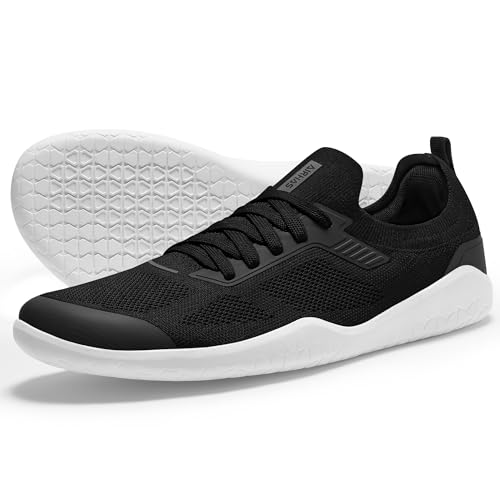
The AIRHAS barefoot-style option features a zero-drop sole to keep feet in a natural posture, encouraging balanced foot muscle engagement during workouts. Its breathable knit upper and padded heel improve comfort and reduce fatigue during longer training sessions. A dual-wearing mode lets you remove the insole for an even closer-to-barefoot feel, or keep it in for more support. This versatility supports activities from circuit training to mobility work.
ZURIN Men’s Barefoot Training Shoes

The ZURIN barefoot trainers are designed with a wide toe box enabling natural toe splay for stability and balance. A zero-drop sole promotes proper alignment and posture, while the breathable mesh upper helps keep feet cool during gym sessions, walking, running, or cross-training. An adjustable instep strap and reflective heel enhance safety for varied environments and early-morning workouts.
ALEADER Wide Minimalist Barefoot Shoes

ALEADER’s minimalist design emphasizes a wide toe box and an anti-slip sole for traction on varied surfaces. The breathable textile upper provides a comfortable fit while allowing natural foot movement. The shoes are intended to facilitate a barefoot-like feel while offering enough grip for dynamic training, agility drills, and gym workouts where foot flexibility matters.
Nike Women’s Revolution 8 Road Running Shoes
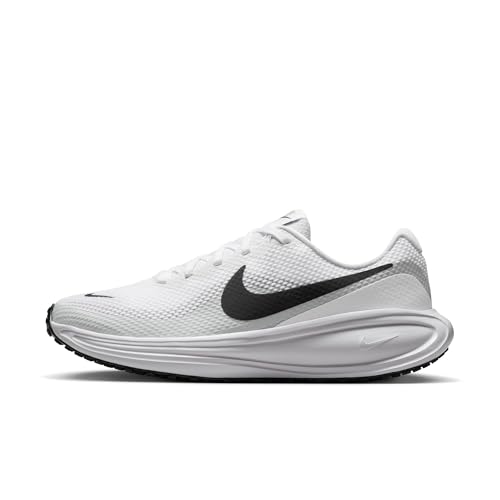
Nike’s Revolution 8 features a foam midsole designed to deliver a soft ride with an intuitive outsole pattern for comfort during runs and cross-training. Translucent mesh and internal layers provide breathable airflow and structural support, making them suitable for cardio-focused workouts, tempo runs, and day-to-day training sessions where comfort and airflow are priorities.
Brooks Launch 11 Neutral Running Shoe

The Brooks Launch 11 uses DNA FLASH foam for responsive energy return and a lightweight upper to minimize distractions during workouts. The updated RoadTack outsole provides enhanced traction and faster transitions, making this a solid option for runners and gym athletes who require quick, confident changes in direction and pace during training sessions.
Buying Guide
Key purchase considerations for shoes used in personal training include fit, purpose, and surface compatibility. Consider the following perspectives to choose a suitable pair:
- Foot shape and toe box: Wide toe boxes support natural toe spread, improving balance and stability during lateral movements and light lifting.
- Sole drop and posture: Zero-drop designs promote a natural foot position, which can strengthen intrinsic foot muscles but may require an adaption period.
- Grip and sole traction: Non-slip outsoles with good grip help across indoor gym floors, turf, and outdoor trails, reducing slip risk during dynamic drills.
- Breathability and weight: Lightweight, breathable uppers reduce fatigue during long sessions and keep feet cooler during cardio-heavy routines.
- Versatility vs. specificity: Barefoot-style trainers excel for mobility and balance, while cushioned runners favor cardio and longer sessions. Match the shoe to your training emphasis.
- Durability and materials: Durable uppers and reinforced toe areas protect feet during routine lifts, sprints, and quick direction changes.
Additional perspectives to consider include transitioning strategies if moving from traditional training shoes to barefoot-style footwear, ensuring gradual progression to avoid overuse injuries. For mixed routines, you may benefit from rotating between a barefoot-style shoe for mobility days and a cushioned trainer for longer cardio sessions. Stability needs, outdoor exposure, and personal preference for feel should guide final selection.