For mountain running, you need footwear that blends grip, stability, cushioning, and protection. The following selections focus on grip-rich outsoles, durable uppers, and midsole tech designed to handle rocky climbs and uneven paths. Each model excels on varied mountain trails, from muddy switchbacks to shale-cut descents. Use this guide to compare features and choose the pair that best fits your terrain and comfort needs.
| Product | Brand | Key Feature | Terrain |
|---|---|---|---|
| Brooks Women’s Cascadia 19 | Brooks | TrailTack Green outsole with 25% recycled content | Women’s mountain trails |
| Saucony Excursion TR15 | Saucony | Rock-solid carbon rubber lugs | Rugged trail routes |
| Brooks Men’s Cascadia 19 | Brooks | Trail Adapt System for stability | Men’s mountain trails |
| Brooks Women’s Cascadia 18 | Brooks | DNA Loft v2 cushioning with adaptable stability | Mountain hikes and runs |
| New Balance DynaSoft TEKTREL V1 | New Balance | TEKTREL midsole and versatile AT Tread | Mixed off-road |
Brooks Women’s Cascadia 19 Mountain Trail

Designed for women who tackle varied mountain terrains, the Cascadia 19 combines a grippy TrailTack Green outsole with 25% recycled content for reliable traction on wet and dry surfaces. The midsole features DNA LOFT v3 cushioning in the heel and forefoot for a soft, responsive ride, while the Trail Adapt System enhances stability on uneven ground. A reinforced toe cap and mudguard protect the upper from trail debris, making it a robust choice for rugged trails and rocky descents.
Saucony Excursion TR15 Trail Running Shoe
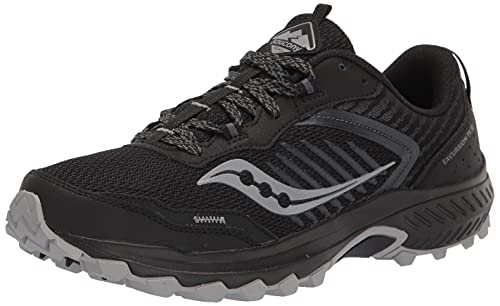
The Excursion TR15 emphasizes rugged outsole performance with carbon rubber lugs that offer rock-solid footing on varied terrain. Its versatile VERSARUN cushioning delivers comfort across routes, while trail-specific mesh and overlays secure the foot and provide debris protection without bulk. This setup is well-suited to harsh, rocky trails and mixed terrain typical of mountain routes.
Brooks Men’s Cascadia 19 Mountain Trail

The men’s Cascadia 19 mirrors the women’s model with TrailTack Green outsole and DNA LOFT v3 cushioning that provides a cushioned yet responsive feel. The Trail Adapt System offers adaptable stability across uneven terrain, helping to maintain control over rocky trails and loose soil. Its carbon-neutral certification makes it a conscientious pick for eco-minded runners on mountain routes.
Brooks Women’s Cascadia 18 Mountain Trail

The Cascadia 18 offers durable protection with a stabilized ride, featuring DNA Loft v2 cushioning and the Trail Adapt System for adaptive stability. Its outsole uses 25% recycled material to enhance traction on wet and dry surfaces, while the midsole and rock shield balance flex with protection, suitable for varied mountain paths and ascent routes.
New Balance DynaSoft TEKTREL V1 Trail

New Balance pairs TEKTREL foam with AT Tread for versatile traction across on- and off-road segments. The DynaSoft midsole delivers a responsive, comfortable ride, while the upper blends lifestyle-inspired styling with trail-ready durability. This model targets runners who want balanced cushioning and dependable grip on mixed trails and mountain paths.
Buying Guide: Key Purchase Considerations For Mountain Running Shoes
- Traction and outsole design: Look for deep, multi-directional lugs and durable rubber compounds (often carbon or recycled materials) that grip wet and dry surfaces on rocky or muddy trails.
- Cushioning and stability: Midsole technology should offer a balance of responsive energy return and protection against impacts on uneven terrain. Stability features, like a rock plate or adaptive systems, help maintain control on uneven ground.
- Protection and durability: Reinforced toe caps, mudguards, and robust uppers prevent damage from branches, loose rocks, and debris common on mountain trails.
- Fit and width options: A secure lockdown with enough midfoot and heel support is crucial for long ascents and descents. Consider models with available wide widths if needed for comfort.
- Weight and flexibility: Lighter designs reduce fatigue on long climbs, while some stiffness can improve stability on technical sections. Prioritize a model that matches your terrain difficulty.
- Eco and material considerations: Some models feature recycled outsoles or carbon-neutral certifications. If sustainability matters, compare certifications and materials across options.
- Terrain versatility: For mixed trails, a shoe with balanced grip and protection performs well on rocky, muddy, and gravel segments without sacrificing comfort on flatter sections.
When selecting, align shoe features with your typical mountain routes—weather conditions, altitude, and terrain type influence grip needs and protection levels. For frequent wet climbs, prioritize deeper lugs and a protective mudguard. For dry, rocky terrain, look for a firmer outsole and reinforced rock protection to preserve stability and durability.