Discover a curated selection of scuba tanks and mini tanks suited for learners, travel, and on‑site diving tasks. This guide highlights a mix of full-size cylinders and compact units, all featuring reliable materials, certified safety standards, and compatibility with common regulators. Read on to compare capacities, pressures, weights, and use cases to identify the best option for your underwater needs.
| Product | Brand | Capacity | Working Pressure | Notes |
|---|---|---|---|---|
| TUDIVING 11.1L Scuba Tank | TUDIVING | 11.1 L / 80 cu ft | 3000 psi | ISO/CE certified, ships empty |
| YIYADECO 2L Scuba Tank Kit | YIYADECO | 2 L | 3000 psi | Includes regulator and backpack |
| SMACO Mini Scuba Tank 3.8L (S700MAX) | SMACO | 3.8 L | 3000 psi | Two 1.9 L cylinders; CE/DOT |
| UNAROWHALS 2.3L Mini Scuba Tank | UNAROWHALS | 2.3 L | 3000 psi | DOT-certified; compact and portable |
| TUDIVING 0.5L Mini Scuba Tank | TUDIVING | 0.5 L | ≤3000 psi | Very portable; good for training and backup air |
TUDIVING 11.1L Scuba Tank
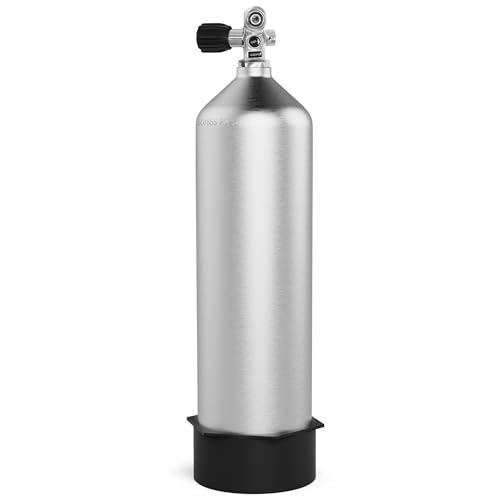
The 11.1-liter cylinder offers a robust capacity for extended dives, with a working pressure of 3000 psi and compatibility with Yoke or DIN regulators. It weighs approximately 13.6 kg and stands 28.89 inches tall with the valve. ISO/CE certified but not DOT certified, and it ships empty for filling on arrival. A cylinder sleeve and inflation valve are included, with an inspection cycle of five years and an estimated service life of 20 years. Suitable for divers seeking a larger reservoir for training or exploration.
YIYADECO 2L Scuba Tank Kit

This compact 2-liter kit includes a regulator and backpack, designed for portability and quick setup. Made from 6061 aluminum and DOT-3AL certified, it holds a working pressure of 3000 psi and has been tested up to 5000 psi for safety. It’s ideal for learners and travelers who want a light, ready-to-use dive system with essential safety features.
SMACO Mini Scuba Tank 3.8L (S700MAX)

The S700MAX setup uses two 1.9L cylinders with a comprehensive regulator package, delivering roughly 230 breaths at 200 bar (depth dependent). It’s CE/PED/DOT certified and designed for easy portability, including compatibility with buoyancy devices. The body is made of 6061 aviation aluminum with corrosion resistance, making it a practical option for recreational and light professional use where space and weight matter.
UNAROWHALS 2.3L Mini Scuba Tank

This 2.3-liter DOT-certified tank emphasizes portability and ease of transport. It features a 30-inch expandable pressure gauge that rotates for easier reading, and a typical dive time of 25–35 minutes at standard depths. The maximum pressure does not exceed 3000 psi, and the unit is designed for compact travel, making it suitable for beginners or as a backup air supply for more experienced divers.
TUDIVING 0.5L Mini Scuba Tank

The 0.5-liter lung tank provides 6–10 minutes of air, with dive times varying by breathing rate and depth. It measures about 6 cm in diameter for easy carrying and is designed to be plane-friendly when dissembled. Made from seawater-resistant 6061 aluminum and featuring a glow-in-the-dark pressure gauge, it’s a handy training or backup tank with a simple setup process.
Buying Guide
- Capacity and duration: Choose a tank size based on desired bottom time and depth. Larger cylinders deliver longer air supply but add weight and bulk, while mini tanks prioritize portability and quick top‑offs.
- Regulator compatibility: Ensure the tank’s valve type (Yoke or DIN) matches your regulator. Some kits include regulators, but many require separate purchases.
- Certification and safety: Look for DOT, CE, PED, or DOT certifications where applicable. DOT-certified tanks are often required for certain regions and activities, while CE and PED standards indicate compliance with general safety requirements.
- Material and durability: Aluminum tanks are common for recreational use due to light weight and corrosion resistance. Verify build quality and finish to reduce risk of corrosion over time.
- Portability vs. capacity: Travel-focused divers may prefer compact tanks or convertible systems, while training and longer dives benefit from higher capacity cylinders.
- Maintenance and inspections: Check service life and inspection intervals (often specified in years). Regular inspections are essential to ensure safe operation, particularly for high-pressure cylinders.
- Plane travel considerations: Some mini tanks are designed to be dissembled for air travel, helping to comply with airline regulations while staying ready for use on arrival.
- Use case variety: Are you training, recreationally diving, or performing underwater work? Match the tank’s size, weight, and regulator setup to your primary activity for optimal safety and convenience.