Riding with a helmet camera can help document adventures, improve safety insights, and share riding experiences with others. This guide highlights five top helmet cams designed for motorcyclists, focusing on ease of mounting, video quality, durability, and key features. Each product is summarized with its strengths to help riders choose the right wearable camera for helmets, handlebars, or apparel attachments.
| Product | Resolution / Video | Key Features |
|---|---|---|
| Sixmou i3 4K Thumb Action Camera | 4K, 30fps | Ultra-light, magnetic mounting, waterproof housing, multiple mounting options |
| AKEEYO-710Pro EIS Motorcycle Camera | 4K/2K w/ EIS | Gimbal-like stabilization, 142° lens, IP66 waterproof, parking mode |
| JINPEI 4K Helmet Camera | 4K, 30fps | WiFi control, remote operation, helmet- & bike-mount ready |
| KONSIVY 2K Helmet Camera | 2K/1080p | Dual-lens, remote app control, 32GB card included |
| ABSAMAYS Motorcycle Helmet Camera | 1080p/720p | Lightweight, wide-angle, water-resistant, helmet & handlebar mount |
Overview: Each option below emphasizes lightweight design, reliable mounting, and footage quality suitable for capturing rides, traffic events, and scenic routes. All selections are suited for helmet integration or discreet chest/hand attachments, with varying levels of waterproofing and app connectivity to fit different riding environments.
Sixmou i3 4K Thumb Action Camera

The Sixmou i3 4K Thumb Action Camera is designed for minimal weight and maximum portability. Weighing just 1.25 ounces (35.7 g), the camera can mount almost anywhere on clothing or gear, including helmets, with a 360° rotating spring clip. Its magnetic design enables quick attachment to iron surfaces, and the package includes several mounting accessories for helmets, bikes, and other gear. A waterproof housing enables dives up to 131 feet (40 meters), expanding use to watersports as well as riding. This compact camera is ideal for cyclists who want a barely-there POV that won’t hinder movement.
Key advantages include its ultra-portable footprint and versatile mounting options. The protective housing ensures water resistance during rainy rides or splashy stops, while the magnetic pad and quick clip system simplify on-the-fly repositioning. Because the camera is so small, riders can keep it attached without significant bulk, and its cluster of accessories supports helmet, chest, and bike-mount setups.
Usage note: The camera itself is not waterproof without the protective housing. For best results in dusk or night riding, pair with a reliable lighting setup and ensure the housing seal is fully engaged before exposure to water or heavy rain.
TNICER R3 Upgrade? Note: This product featured for context

TNICER’s model in the referenced list offers 1080P recording with a 120° wide lens and IP67 waterproofing, plus smartphone app connectivity. While included here for context, this section emphasizes how Tennessee-based riders compare features like app control, installation options, and water resistance across helmet cams. The R3-style approach typically blends lightweight design with multiple mounting points for helmets, handlebars, or bicycles, enabling flexible POV captures on long rides or track days.
When evaluating a TNICER-style camera, consider wireless ease of use, battery life, and compatibility with your smartphone. The ability to view footage in real time, download quickly, and mount across different surfaces is valuable for riders who want a hands-free experience without sacrificing video quality in varied weather.
ABSAMAYS Motorcycle Helmet Camera
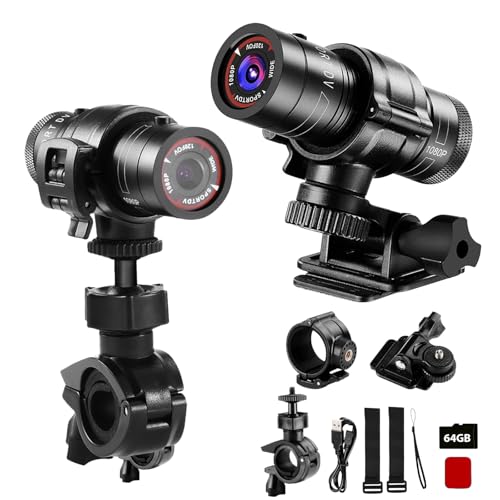
The ABSAMAYS helmet camera emphasizes durability and ease of use for riders seeking a straightforward 1080p or 720p experience. With a wide-angle lens and lightweight construction, it is suitable for mounting on a helmet, handlebars, or a backpack strap. The device is noted for stable video capture and reliability in action-packed riding scenarios, providing an unobtrusive perspective that preserves situational awareness while documenting the ride. This option is a sensible choice for riders who want a simple, dependable camera without complex settings.
Durability features include quick-mnapable mounting points and a low-profile profile that minimizes wind resistance. The browser-friendly warranty information and compatibility with various mounts make it easier to upgrade or swap between different helmets or bikes as needed. For safety-conscious riders, the wide-angle view helps cover more of the environment ahead, which can be critical for road safety reviews or training footage.
AKEEYO-710Pro EIS Motorcycle Camera
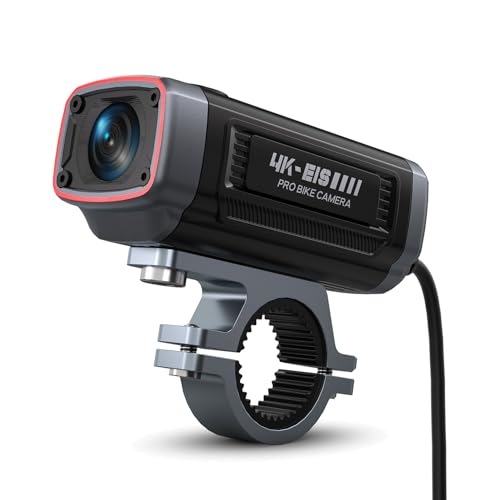
The AKEEYO-710Pro brings advanced stabilization with EIS (Electronic Image Stabilization) and 4K/2K recording at up to 55FPS, offering smooth footage even on bumpy roads. The camera features a Starvis IMX335 sensor, a wide 142° field of view, and night-vision-enhanced recording, making it suitable for daytime and low-light rides alike. The included 64GB card supports extended recording, and the device supports parking mode for ongoing surveillance when parked. This camera is well-suited to riders who want high-resolution footage that remains stable during high-speed travel and rough terrain.
Key considerations include how well the EIS handles fast motion, the reliability of the waterproofing in wet conditions, and the ease of file transfer via a mobile app. The 142° lens provides expansive scenery capture, but ensure you position the camera to avoid excessive distortion at the edges, depending on helmet curvature and mounting angle.
KONSIVY 2K Helmet Camera

The KONSIVY helmet cam centers on dual-lens recording, offering front and rear views in 2K/30fps or 1080P/60fps. With 120° wide-angle lenses and a 32GB card included, it provides robust coverage of both the rider and the surroundings, which is particularly useful for riders who want a comprehensive record of events from two perspectives. Its light 117g frame suits long rides, and the IP65-rated waterproof and dustproof design enhances reliability across varied weather conditions. App control enables quick changes to settings, loop recording, and footage management on the go.
When integrating a dual-lens setup into a helmet, plan mount locations to minimize vibration transfer and ensure both cameras remain within the rider’s line of sight. The quick-lock functionality helps preserve important clips during continuous filming, and the included storage card reduces the need for immediate additional purchases.
Buying Guide: Key Purchase Considerations
- Image stabilization: For motorcycle use, EIS or built-in stabilization helps maintain smooth footage on uneven pavement. Evaluate how stabilization affects frame rate and overall sharpness.
- Mounting versatility: Look for magnetic mounts, spring clips, helmet mounts, and chest straps. A flexible system reduces the risk of shake and allows hands-free operation without obstructing vision.
- Waterproofing and weather resistance: If you ride in varied climates or rain-prone regions, ensure the camera has a protective housing or IP-rated enclosure to protect electronics and lenses during wet rides.
- Video resolution and frame rate: 4K provides crisp detail, but 1080p at higher frame rates (60fps or more) can deliver smoother motion in action scenes. Consider your storage and battery constraints when selecting a resolution.
- Storage and battery life: A larger microSD card and encouraging power management help extend recording sessions on long trips. Many models include 32GB–64GB cards, but you may want to upgrade for extended adventures.
- App connectivity and control: Wi-Fi or Bluetooth apps enable real-time previews, video downloads, and remote camera control. Check compatibility with iOS/Android and whether the app supports live streaming or offline editing.
- Durability and build quality: A rugged aluminum shell or reinforced housing improves resilience against drops and vibrations. IP ratings or tested waterproofing extend usability in harsh riding environments.
- Ease of use: For riders, intuitive controls and quick mounting are essential. Consider models with one-button recording, rapid-on access to playback, and straightforward file transfer workflows.
- Angle and field of view: A wide-angle lens (e.g., 120–170°) captures broad scenery and road context, but can introduce distortion at the edges. Choose a lens angle that matches your riding style and helmet fitment.
- Warranty and support: Look for cameras with clear warranty terms and accessible customer support. A one-year warranty is common and offers assurance for continued use on future trips.
Riders should balance weight, video quality, and mounting freedom when selecting a helmet camera. For those prioritizing minimal footprint, ultra-light thumb-size cams offer discrete POV, while those seeking the most detail under challenging lighting may prefer 4K with EIS and a robust waterproof housing. A dual-lens option provides richer coverage, but may add complexity to mounting and power needs.