For lifters seeking reliable back protection and core stability, a high-quality leather weight lifting belt is a key piece of equipment. This article highlights five top-rated leather belts, outlining what makes each stand out and who should consider them. Included are buyer-friendly notes on sizing, comfort, and durability to help you choose confidently.
| Product | Brand | Key Benefit |
|---|---|---|
| Gymreapers Leather Weightlifting Belt | Gymreapers | Real leather, comfortable fit, lightweight |
| RDX Weight Lifting Belt | RDX | 4″ or 6″ options, padded back support |
| DMoose Weight Lifting Belt | DMoose Fitness | 5mm suede leather, strong lower-back support |
| ProFitness Weightlifting Belt | ProFitness | Durable leather, enhanced core stability |
| Jaffick Genuine Leather Weightlifting Belt | Jaffick | Double-sided leather, true waist sizing guidance |
Below is a closer look at each belt, with usage notes, sizing tips, and what makes them suitable for different lifting styles and body types.
Gymreapers Leather Weightlifting Belt

The Gymreapers belt is built from real reinforced leather, designed to withstand daily training without ripping or tearing. At 4 inches wide, it provides substantial core support while maintaining a comfortable feel that won’t overly constrict the torso. The belt’s weight is kept low, and the buckle is a premium metal component that stays out of the way during lifts. The belt is particularly suitable for squats, deadlifts, and other compound movements where stable bracing matters. Its design aims to minimize discomfort during long training sessions and reduce the risk of hip or rib pressure.
Size guidance emphasizes measuring the true waist. Users should consider their torso length and the fit they desire during maximal efforts. The belt works well for lifters seeking a balance between mobility and support, including cross-training enthusiasts who value durability alongside comfort.
RDX Weight Lifting Belt

The RDX belt provides robust lumbar support with a wide padded back panel, available in 4-inch and 6-inch variations to suit various lifting styles. Its genuine cowhide construction is designed for high-density load-bearing workouts, helping lifters brace effectively for squats, deadlifts, and Olympic lifts. The belt’s 7 mm thickness offers a solid feel while maintaining flexibility enough for dynamic movements. A multi-hole adjustment system ensures a snug fit, and the buckle setup keeps the belt secure throughout demanding sets.
Size selection should follow the included size chart and measuring instructions, focusing on the lower back and navel area. For athletes who frequently push near maximal loads, opting for the upper size can improve stability and reduce belt migration during lifts.
Dark Iron LG Fitness Weight Lifting Belt
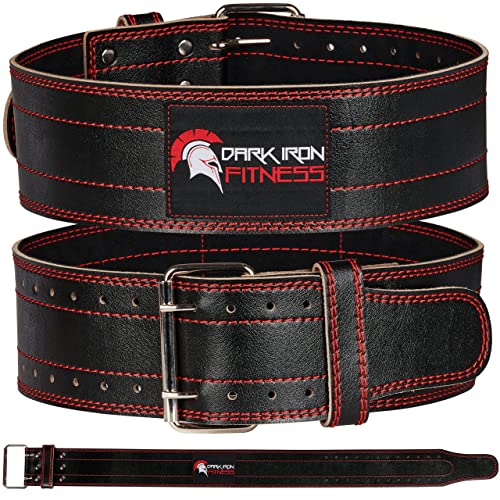
The Dark Iron LG belt emphasizes a secure fit with a durable 4-inch design and a fully adjustable 12-point system. The double-pronged buckle allows quick tightening or loosening between sets, which is convenient for lifters who vary their stance or depth between lifts. It’s designed to provide strong core support and lumbar stabilization, making it a strong choice for powerlifting, cross-training, and bodybuilding routines. This belt is especially well-suited for lifters who value a sturdy, no-nonsense belt that stays in place under heavy loads.
As with other leather belts, measuring the true waist is critical. Lifters who prefer a belt that can handle lengthy sessions without discomfort often appreciate the balance of rigidity and flexibility offered by this model.
ProFitness Weightlifting Belt

The ProFitness belt focuses on increased core stability and durable leather construction for long-term use. The design emphasizes maintaining proper posture during heavy lifts, with a belt that helps guide bracing and abdominal activation. This belt is marketed toward both men and women who regularly perform squats, deadlifts, and other heavy lifting movements, offering a balance of strength support and comfort. The leather material is built to endure repeated flexing and stress without cracking or losing its shape.
Potential buyers should note sizing guidance: measure around the lower back and just above the belly button, and if between sizes, choose the larger option to maximize support during powerlifting sessions.
Jaffick Genuine Leather Weight Lifting Belt

The Jaffick belt shares a sizing approach that emphasizes true waist measurement over pant size, helping lifters avoid undersized or oversized belts. It features double-sided leather for enhanced durability and support, with suede pads designed to reduce comfort-related injuries during longer sessions. The belt is described as providing extra power and abdomen support, making it well-suited for cross-training, weightlifting, and daily fitness routines. The 6-inch width option if available in the range helps lifters with higher torso length or those who prefer more bracing for the spine.
Sizing relies on accurate waist measurement rather than pant size. For optimal performance, choose a size that remains firm around the midsection without restricting breathing or causing discomfort in the hips or lower back.
Buying Guide: Key Purchase Considerations
- Size and fit: Always measure around your lower back and over the belly button to determine true waist size. If between sizes, choose the larger size to ensure solid bracing during lifts.
- Width and height: A 4-inch belt provides substantial core support with good mobility for most lifters; 6-inch belts offer greater support for heavier lifting or lifters with taller torsos.
- Material and construction: Look for genuine leather with reinforced stitching. Suede or padded panels can improve comfort and reduce chafing on longer sessions.
- Buckle design: Double-pronged or solid metal buckles help secure the belt and reduce movement during lifts.
- Durability: Consider belts advertised as built to last through high-intensity workouts and frequent use across different lifts (squats, deadlifts, Olympic lifts).
- Versatility: Some belts are better suited for powerlifting, while others support general strength training and cross-training; choose based on your primary lifting style.
- Maintenance: Leather belts require moderate care to maintain suppleness; avoid excessive moisture and store in a dry place.
When selecting a belt, compare how it aligns with your lifting goals, body type, and the amount of time you spend training at high intensities. Prioritize belts with true waist sizing guidance, strong construction, and a fit that remains secure without restricting breathing or movement.