Choosing a kayak for long-distance journeys requires balancing speed, stability, storage, and propulsion options. This article highlights five kayaks well-suited for extended trips, including tandem and solo designs with versatile propulsion and reliable tracking. Each option is evaluated for long-distance paddling in lakes, bays, and calm coastal waters, focusing on ease of transport, durability, and comfort on the water.
Product Overview
| Product | Brand | Key Benefit |
|---|---|---|
| Brooklyn 13.0 Tandem 3-Piece Modular Kayak | BKC | Modular three-piece setup for flexible long-distance trips |
| Wilderness Systems Pamlico 135 | Wilderness Systems | Sit-inside tandem with stable hull for long days on the water |
| Brooklyn 12.0 Pro Single Pedal Kayak | BKC | Hands-free propulsion for extended paddling |
| Brooklyn 12.5 Pro Single Kayak with Built-in Trolling Motor | BKC | Built-in motor for efficient long-distance cruising |
| Perception Rambler Sit On Top | Perception | Versatile recreation kayak suitable for long-distance days |
Each option offers distinct advantages for long-distance paddling, from modular design to hands-free propulsion and aerodynamic hulls. Below are five detailed sections describing why these kayaks are strong contenders for extended trips.
Brooklyn 13.0 Tandem 3-Piece Modular Kayak
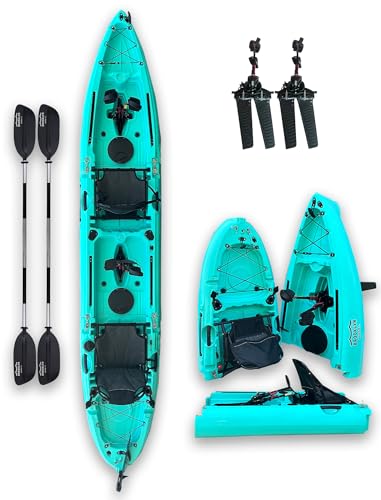
The Brooklyn 13.0 Tandem is a modular, three-piece design that breaks down for easy transport and storage, enabling versatile long-distance trips with either two or a solo rider. Its dual flipper pedal drives provide hands-free propulsion, delivering efficient exertion for extended paddling sessions on lakes, rivers, and calm coastal waters. A responsive hand-controlled rudder ensures precise steering, helping paddlers maintain course on long hauls and through tight waterways. This setup is particularly useful for pairs or solo explorers who want flexibility without sacrificing performance over distance.
Wilderness Systems Pamlico 135

The Pamlico 135 is a sit-inside tandem designed for extended recreational paddling. It converts easily to solo use, making it adaptable for longer trips or day-long excursions. The hull is engineered for swift acceleration and stable tracking, which helps paddlers cover more water with less effort. Its balanced stability and manageable weight make it a practical option for paddlers expecting to navigate varied water conditions on longer journeys.
Brooklyn 12.0 Pro Single Pedal Kayak

The Brooklyn 12.0 Pro is a 12-foot solo pedal kayak featuring a high-efficiency propeller drive. The hands-free propulsion is ideal for long-distance paddling, reducing fatigue over time and allowing paddlers to focus on route planning and balance. The stable HDPE hull provides strong tracking through chop, currents, and flatwater, while a rudder system offers precise steering for long stretches, windy conditions, and varied water types.
Brooklyn 12.5 Pro Single Kayak with Built-in Trolling Motor

The 12.5 Pro features a built-in trolling motor, delivering smooth propulsion for long-distance cruising with less physical effort. The 12.5-foot hull is designed to track well and remain stable while casting, reeling, or moving around on deck. An extra-wide rudder provides confident steering at both low and high speeds, making it easier to navigate through water with control when motor power is active. This setup suits anglers and explorers who want efficient, extended range without riding fatigue.
Perception Rambler Sit On Top

The Rambler is a versatile sit-on-top model offering stability and comfort suitable for long days on lakes, bays, and slow rivers. Built in the USA, it suits paddlers of various skill levels and includes space for gear and essentials. Its simplicity and adaptability make it a practical choice for extended trips where ease of use and reliable performance are priorities.
Buying Guide
- Intended use and distance: For long-distance paddling, prioritize hulls with efficient tracking, stable stability, and ample storage. Tandem models can distribute weight and extend endurance by sharing load and pace.
- Propulsion options: Hands-free pedal drives, flipper systems, and built-in trolling motors reduce fatigue on multi-day trips. Consider whether you want the flexibility of traditional paddling as a backup option.
- Hull design and material: Durable HDPE hulls are common and offer good rigidity and impact resistance. A hull with a balanced blend of stability and speed helps maintain momentum over long distances.
- Steering and control: Rudder systems improve tracking in wind or current, which is beneficial on longer routes. Ensure the rudder is easy to deploy and adjust while moving.
- Seating and comfort: Adjustable seats with good back support and breathable materials reduce fatigue on long outings. Proper seat height also affects balance and endurance.
- Storage and dry space: Ample dry storage is essential for multi-day trips. Consider sealed compartments and easy access to gear while paddling.
- Portability and transport: Modular designs and lightweight components enable easier transport, storage, and solo setup, especially for extended trips requiring regrouping at launch points.
- Maintenance and durability: Look for corrosion-resistant hardware for saltwater use and compatible accessories for future upgrades or motor additions.
When selecting a kayak for long-distance paddling, consider your typical environment, your preferred propulsion method, and how much gear you need to carry. The listed options provide varied approaches—from modular tandem configurations to solo pedal systems and motor-assisted designs—allowing paddlers to tailor a long-distance setup to their specific needs and destinations.