Choosing the right handlebar can dramatically affect comfort, control, and performance on road bikes. This guide highlights five top handlebars designed for road bike use, focusing on lightweight materials, ergonomic shapes, and compatibility with common clamp sizes. Each option balances stiffness and comfort to suit varied riding styles—from endurance-focused long rides to performance-oriented sprinting. Review the selections below to compare construction, width, drop, reach, and compatibility with standard road bike stems.
| Product | Brand | Clamp Diameter | Width (mm) | Drop (mm) | Material |
|---|---|---|---|---|---|
| BNVB Road Bike Drop Bar Aluminum Alloy Fixed Gear Bike Bent Bar | BNVB | 25.4 | 380/400/420 | 130 | 6061 T6 Aluminum |
| Road Handlebars Carbon Bike Handlebar RXL SL | RXL SL | 31.8 | 400/420/440 | 119 | Carbon Fiber |
| RXL SL carbon fiber road handlebars 420mm | RXL SL | 31.8 | 400/420/440 | 127 | Carbon Fiber |
| UPANBIKE Fixed Gear Aluminum Drop Bar 420mm | UPANBIKE | 31.8 | 420 | Unknown | 6061-T6 Aluminum |
| SENQI Aluminum Fixed Gear Road Bicycle Handlebar 420mm | SENQI | 25.4 | 420 | Unknown | Aluminum Alloy |
BNVB Road Bike Drop Bar Aluminum Alloy Fixed Gear Bar
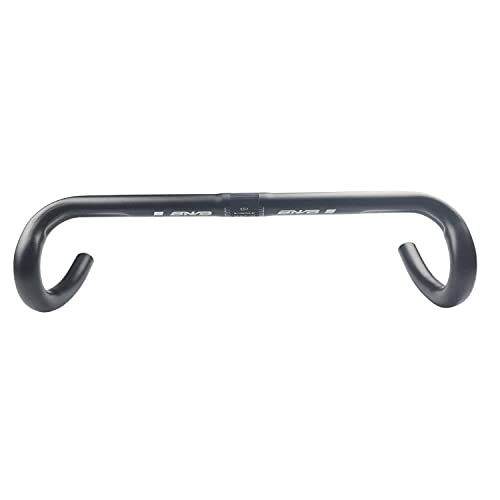
The BNVB drop bar uses 6061 T6 aluminum to deliver a light, durable option for road and fixed-gear setups. Its 25.4 mm clamp diameter fits common stems, with options for center-to-center widths of 380/400/420 mm. A drop of 130 mm and reach around 90 mm provide a classic road posture, while a matte black finish adds a clean, versatile look. Users benefit from anti-shock properties and rust prevention, making it suitable for varied riding conditions and long-term durability.
Road Handlebars Carbon Bike Handlebar RXL SL

This carbon fiber road handlebar from RXL SL emphasizes lightweight performance, with weights listed around 200–255 g depending on width. It is designed for internal routing, with widths of 400/420/440 mm and a drop of 119 mm and reach of 77 mm. The UD matte finish provides a sleek appearance, and the bar is specified to be installed at a torque of 4 Nm using manual tools. Carbon construction reduces weight while offering elastic properties that aid ride quality and responsiveness on fast descents and sprinting corridors.
RXL SL Carbon Fiber Road Handlebars 420mm

Another RXL SL carbon option emphasizes ultra-light construction with approximately 210 g weight at 420 mm. It supports 31.8 mm clamp diameter and widths of 400/420/440 mm, with a 127 mm drop and 104 mm reach. The 3K matte appearance enhances aesthetics, while carbon fiber provides improved stiffness-to-weight characteristics over aluminum. RXL SL also notes advantages in elasticity and resistance to shock, contributing to a smoother ride under load and during aggressive cornering.
BESNIN Aluminum Drop Bar 31.8mm 380mm

The BESNIN drop bar uses aluminum alloy for a balance of stiffness and weight, featuring a clamp diameter of 31.8 mm and a 380 mm width. Weighing about 295 g, this bar is positioned as a straightforward, dependable choice for riders who want a reliable upgrade to their ride without added complexity. The ergonomic design promotes an natural riding posture and easier installation, suitable for road and fixed-gear configurations alike.
UPANBIKE Fixed Gear Drop Bar Aluminum 420mm
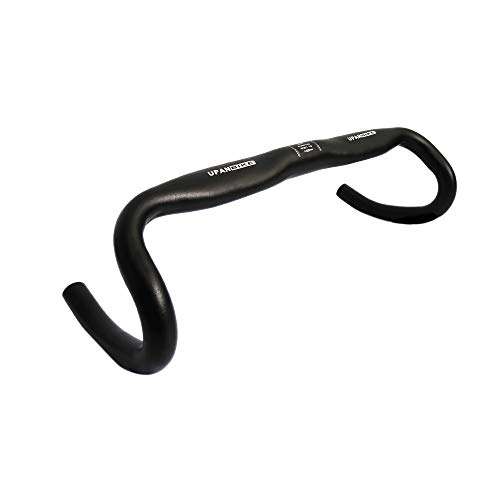
UPANBIKE’s aluminum drop bar is designed for fixed-gear applications with a 31.8 mm clamp, 420 mm width, and 23.7 mm tube diameter for the drop section. Made from 6061 T6 aluminum, it emphasizes light weight and durability suitable for daily training and club rides. The bar’s geometry aims to provide a comfortable reach and drop, aligning with riders seeking a balanced riding position without compromising control on steeper climbs or fast descents.
Buying Guide
- Clamp diameter compatibility: Most road handlebars use 31.8 mm, but some fixed-gear and older setups use 25.4–26.0 mm. Confirm your stem and shifter compatibility before purchasing.
- Width and fit: Typical road bars range from 380–440 mm. Wider bars offer leverage for climbs and stability, while narrower bars improve aerodynamics in sprinting. Choose based on shoulder width and riding style.
- Drop and reach: Drop measures how far down the bar bends; reach determines how far forward you must extend. Longer drops and greater reaches suit aggressive riding, while shorter dimensions favor comfort on long tours.
- Material trade-offs: Aluminum bars are affordable and durable; carbon bars are lighter and can dampen road vibration but are more fragile under impact. Weigh the value of weight savings against riding conditions.
- Internal routing compatibility: If your bike has concealed cables, ensure the bar supports internal routing. This can impact installation and aesthetics on modern road bikes.
- Installation torque: Follow manufacturer torque specifications. Many carbon bars require careful, precise tightening (often around 4 Nm for certain models).
- Intended use: Endurance bars emphasize comfort over long distances; aero or lightweight bars benefit time-trial or competitive riding. Align bar choice with your primary riding goals.
- Durability and warranty: Aluminum bars tend to be resilient and easier to repair, while carbon bars may offer improved stiffness and weight but may require careful handling to avoid damage.