Choosing ergonomic handlebar grips can reduce hand fatigue, improve control, and enhance overall riding comfort. This guide highlights top ergonomic grips designed for a wide range of bikes—from road and mountain bikes to city cruisers. Below, you’ll find concise product overviews, key features, and practical buying tips to help you pick grips that fit your handlebars and riding style.
| Product | Brand | Key Benefit |
|---|---|---|
| TOPCABIN Ergonomic Bicycle Grips – Big Horn Shape | TOPCABIN | Wider support with sturdy build |
| TOPCABIN Bike Grips, Ergonomic Design | TOPCABIN | Universal fit, easy install |
| SAPLIZE Bike Grips, Ergonomic Design | SAPLIZE | Anti-slip, shock-absorbent |
| Wittkop Bike Grips, 3-Zone Design | Wittkop | German engineering, multi-zone comfort |
| ROCKBROS Ergonomic Design Mountain Bike Grips | ROCKBROS | Double lock-on, cushioned comfort |
When selecting grips, prioritize compatibility with your handlebar diameter (commonly 22–23 mm), installation ease, grip texture, and whether you prefer lock-on collars. The following sections profile five strong options that cover a range of budgets and riding styles, with objective details drawn from product features to help you compare at a glance.
TOPCABIN Ergonomic Big Horn Grips

These TOPCABIN grips feature a broad, ergonomic shape designed to spread palm contact over a larger surface area, reducing pressure points on long rides. The set is described as suitable for handlebars with an outer diameter of 22–23 mm, which covers most adult bicycles. A 130 mm length provides ample reach for a relaxed grip, while a sturdy plastic end cap cleanly outfits the end of the bar. The grips are compatible with most bike types, including road and mountain bikes, making them a versatile option for mixed-use bicycles.
TOPCABIN Ergonomic Design Bike Grips (Black/Gray)

This second TOPCABIN option emphasizes a universal 22–23 mm fit with a 130 mm length for secure installation and comfort. Its wide contact area supports a natural wrist position, aiming to reduce fatigue on long commutes or weekend rides. The design includes a robust plastic cap to finalize the handlebar appearance and a universal fit that works across many bicycle categories—from road bikes to fixies. Installation is described as straightforward and tool-free, appealing to riders who prefer quick upgrades.
SAPLIZE Dual Aluminum Lock Grips
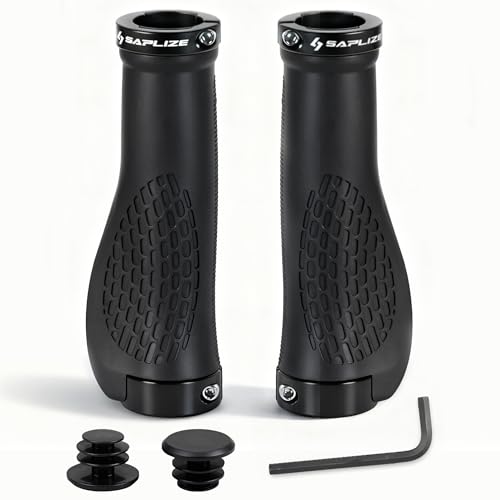
SAPLIZE offers a classic anti-slip pattern with a hard plastic core and a medium-soft TPE wrap for comfort and durability. The grips are designed to accommodate long rides and rough terrain, with dual aluminum alloy rings locking at both ends for a secure installation. A caution note advises avoiding overtightening screws, which helps prevent damage to handlebars and ensures lasting grip. The ergonomic layout emphasizes wrist comfort and shock absorption, making them suitable for daily commutes and demanding cycling sessions alike.
Wittkop 3-Zone Design Grips

Wittkop introduces a German-made, 3-zone grip design that splits contact into non-slip, comfort, and extended force-control (EFC) zones. This arrangement targets wrist alignment and grip stability, aiming to minimize fatigue and discomfort on longer rides. The grips are marketed as UV- and weather-resistant, suggesting durability in varied climates. For riders who value precision fit and engineered ergonomics, these grips highlight a more premium approach to everyday cycling comfort.
ROCKBROS Ergonomic Mountain Grips
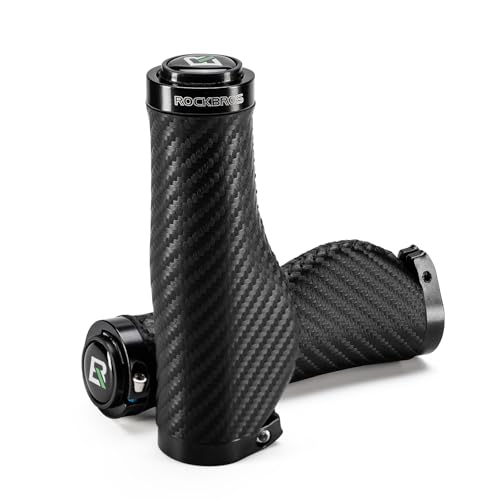
ROCKBROS emphasizes an ergonomic design with non-slip surfaces, cushioned materials, and a double lock-on system for added security on rough terrains. The grips are described as soft PU with good cushioning, contributing to reduced palm pressure during long climbs or high-output sessions. The combination of a secure lock-on mechanism and comfortable material makes these grips a practical choice for commuters and mountain riders alike, particularly where wrist support and grip stability are priorities.
Ergon GP5 Ergonomic Lock-On Grips

Ergon GP5 grips focus on an extended bar-end design to provide additional control and leverage, particularly suitable for MTB, touring, and commuter use. The lock-on style helps ensure a secure fit without slippage, and a 110 mm bar-end offers multiple hand position options. The combination of nylon-composite bar ends and rubber inserts aims to balance weight, durability, and comfort. These grips are compatible with bar-plug style mirrors, making them a versatile choice for riders who rely on visibility and control on varied terrain.
Buying Guide: Key Purchase Considerations
- Handlebar compatibility: Most grips are designed for 22–23 mm inner diameter bars. Confirm your handlebars’ outer diameter and select a size that provides a snug fit without excessive force during installation.
- Grip material and feel: Materials vary from soft TPE to hard plastic cores with cushioned overlays. If you ride long distances or in rough weather, prioritize shock absorption and an anti-slip texture.
- Lock-on vs. slip-on: Lock-on grips with aluminum collars are more secure on rough terrain but may require a bit more effort to install. Slip-on grips are easier to install but can slip on aggressive riding unless friction is sufficient.
- Width and palm support: Wider grips distribute pressure more evenly across the palm, reducing fatigue. Consider your hand size and biking style when choosing width and contour.
- Durability and climate resistance: Weather-resistant, UV-resistant, and durable construction extend grip life, particularly if you ride in sun, rain, or extreme temperatures.
- Installation prerequisites: Some grips require no tools, while others benefit from basic hex keys. Plan for compatibility with your bike’s components and accessories.
- Ergonomic features: Look for multi-zone designs, cushioned surfaces, or bar-end extensions if your riding emphasizes posture, wrist support, and long-ride comfort.
For riders seeking a balance of comfort, control, and ease of installation, the highlighted options provide a spectrum of features—from antislip textures and dual lock-on systems to German-engineered three-zone designs. Each choice addresses common fatigue points and aims to improve wrist alignment during varied riding conditions. Evaluate how much grip security, contour support, and installation effort matter most to your cycling routine.