For spin enthusiasts and indoor cyclists, a reliable cadence sensor helps optimize training, pace, and endurance. This guide highlights five top options that work with spin bikes, outdoor bikes, and smart training apps via ANT+ and Bluetooth. Each product supports real-time RPM data, integrates with popular platforms, and offers durable construction for daily workouts. Read on to compare features, compatibility, and installation notes to choose the right sensor for your setup.
| Product | Brand | Key Benefit |
|---|---|---|
| Wahoo RPM Cycling Cadence Sensor | Wahoo Fitness | Dual ANT+/Bluetooth, easy smartphone/app pairing |
| Magene Speed/Cadence Sensor | Magene | Single-mode flexibility, multiple connection options |
| MOOFIT Speed/Cadence Sensor | moofit | ANT+ & BLE, broad app compatibility |
| iGPSPORT CAD70 Cadence Sensor | iGPSPORT | Bluetooth & ANT+, long battery life |
| Garmin Cadence Sensor | Garmin | Self-calibrating with Edge and compatible Garmin devices |
Wahoo RPM Cycling Cadence Sensor
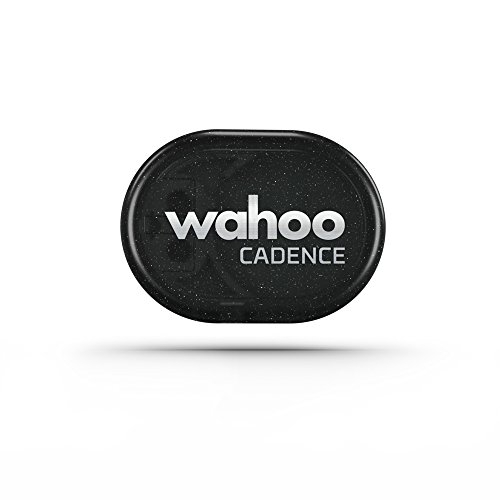
The Wahoo RPM sensor provides real-time cadence and speed measurements through Bluetooth and ANT+. It integrates with popular training apps such as Wahoo SYSTM, RGT, Zwift, and Peloton Digital. The dual-band technology enables connection to smartphones, tablets, and bike computers for a seamless training experience. By tracking RPM, users can adjust pedal cadence to improve efficiency and endurance during spin sessions and cross-training workouts.
Magene Outdoor/Indoor Speed/Cadence Sensor
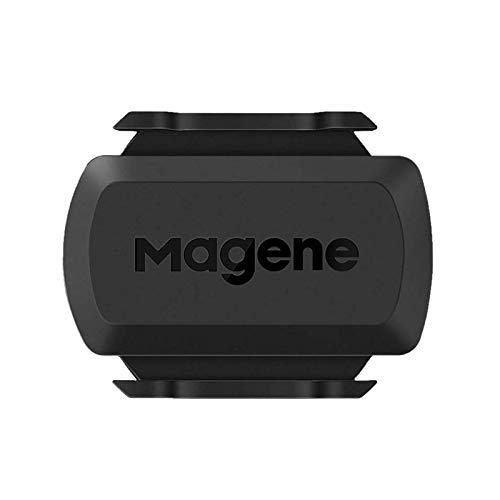
The Magene sensor supports Bluetooth and ANT+ with flexible mode options. Note that one sensor can be set to either Speed or Cadence at a time, and Bluetooth connections may limit concurrent app access. This device is designed for road bikes, spin bikes, and trainers, enabling riders to monitor cadence and speed data across multiple apps and devices when configured correctly.
MOOFIT Speed/Cadence Sensor

The Moofit cadence sensor offers ANT+ and Bluetooth dual-protocol support, enabling connection to bike computers, cycling apps, and wearables. Real-time cadence data can be viewed on a connected device, and the sensor features a long battery life with reliable RPM tracking for indoor cycling, outdoor rides, and trainer sessions. It is compatible with major apps like Wahoo Fitness, Rouvy, and Peloton, among others.
iGPSPORT Bike Speed Cadence Sensor
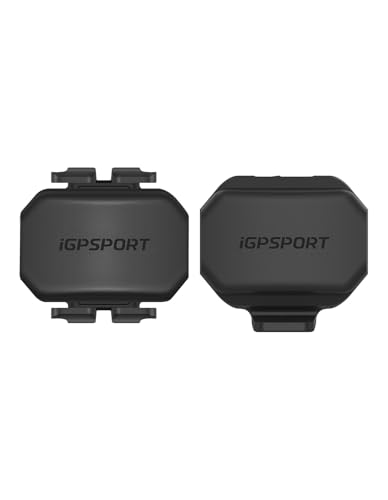
iGPSPORT’s dual-module cadence sensor combines Bluetooth 5.0 and ANT+ transmission for broad compatibility with bike computers, apps, and smart devices. It emphasizes precise cadence measurement and long battery life (up to 300 hours), making it suitable for frequent riders who want dependable data across training apps and devices.
Garmin Bike Speed 2 and Cadence 2 Sensor

The Garmin Cadence 2 sensor attaches to the crank and measures pedal strokes per minute, while the Speed 2 sensor attaches to the wheel hub. Both devices support Bluetooth Low Energy and ANT+ for live data streaming to Garmin devices and compatible third-party apps. They self-calibrate with Garmin Edge units, ensuring consistent cadence and speed data during workouts and outdoor rides alike.
moofit Cadence Sensor (MooFit)

The MooFit cadence sensor supports BLE 4.0 and ANT+ for versatile connections to bike computers and apps. It provides real-time cadence data on compatible devices, with a magnet-free installation that appeals to riders seeking quick setup and reliable performance across various training apps and platforms.
Magene Outdoor/Indoor Speed/Cadence Sensor (Second Magene Listing)
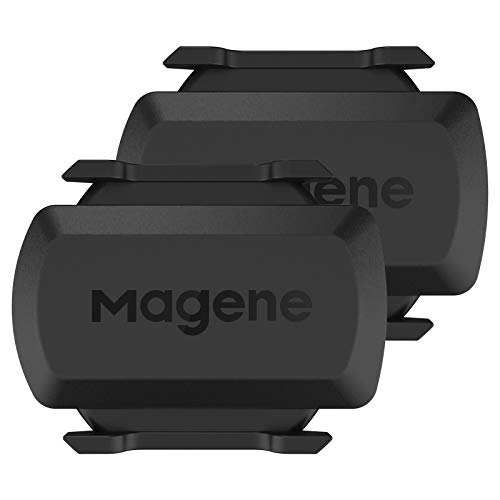
This Magene model reiterates the single-mode constraint per sensor (Speed or Cadence) and clarifies Bluetooth vs. ANT+ device concurrency. It remains a cost-effective option for riders who are comfortable adding a second sensor to monitor both speed and cadence in supported training ecosystems.
Buying Guide
Choosing the right cadence sensor depends on your bike setup, preferred apps, and how you train. Consider the following aspects to ensure compatibility and value:
- Connectivity: Most riders benefit from sensors that support both Bluetooth and ANT+. This broadens compatibility with phones, tablets, bike computers, and apps such as Zwift, Peloton Digital, and Wahoo Fitness.
- Mode and data: Some sensors switch between Speed or Cadence modes, requiring multiple units for full data capture. If you need both, look for dual-sensor configurations or devices advertised as multi-mode capable.
- Install method: Magnet-free designs are easier to install and adjust, reducing setup time and potential misalignment on spin bikes or trainers.
- Battery life: Long-lasting batteries reduce maintenance. Look for models offering hundreds of hours of operation, especially for daily training.
- App compatibility: Check whether the sensor data integrates with your preferred training apps (Wahoo, Zwift, Rouvy, Peloton, TrainerRoad) and with your cycling computer or smartwatch.
- Calibration and self-calibration: Some sensors auto-calibrate with certain devices; others may require manual steps. Consider how often you recalibrate and whether it fits your routine.
- Durability and IP rating: For frequent spin-bike use, a durable, splashproof design helps withstand Sweat and occasional spills during workouts.
- Price-to-feature balance: If you train across multiple platforms, investing in a dual-protocol sensor or a pair of sensors can provide better long-term value than a single-mode unit.
- Warranty and support: Brands with solid customer support can help with pairing issues, firmware updates, and app compatibility.
When selecting, map your spin bike’s compatibility with your smartphone or computer, verify app ecosystem support, and assess how many data streams you want (cadence, speed, or both) during workouts. A well-matched cadence sensor helps you sustain optimal pedaling efficiency and improves training outcomes over time.