Choosing the right cadence sensor can boost training data quality and cycling efficiency. This guide highlights five reliable options that work across bikes, bikes computers, and popular training apps. Each entry covers compatibility, data reliability, and setup nuances to help you pick the best cadence sensor for road, spin, and indoor cycling.
Summary of selected products
| Product | Brand | Key Benefit | Connectivity |
|---|---|---|---|
| Wahoo RPM Cycling Cadence Sensor | Wahoo Fitness | Dual band; easy app integration | Bluetooth, ANT+ |
| COOSPO Cadence and Speed Sensor | COOSPO | Reliable dual-mode with clear app guidance | Bluetooth, ANT+ |
| MOOFIT Speed/Cadence Sensor | Moofit | Strong multi-app compatibility | ANT+, Bluetooth |
| iGPSPORT CAD70 Cadence Sensor | iGPSPORT | Long battery life, wide compatibility | Bluetooth, ANT+ |
| CYCPLUS Bike Speed And Cadence Sensor | CYCPLUS | Two sensors included; multi-protocol | Bluetooth, ANT+ |
Wahoo RPM Cycling Cadence Sensor for Outdoor, Spin and Stationary Bikes
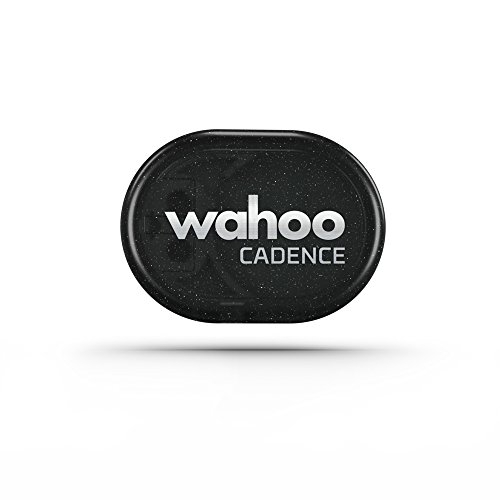
The Wahoo RPM Cadence Sensor provides real-time cadence data and is designed for compatibility with popular training apps via Bluetooth. It supports cadence measurements and integrates with dual-band technology (ANT+ and Bluetooth Smart) to connect with smartphones, tablets, and bike computers. This sensor helps cyclists train more efficiently by revealing pedal stroke patterns and cadence trends during workouts or races. The device is compact and simple to mount on crank arms, with straightforward pairing to your preferred app.
Key considerations:
- Cadence tracking accuracy is reliable for most riders with standard crank setups.
- Dual-band support enables connection with multiple devices and apps simultaneously via ANT+ or Bluetooth.
- Potential limitations arise if you rely on multiple apps simultaneously over Bluetooth; ANT+ may offer broader device compatibility.
COOSPO Cadence And Speed Sensor
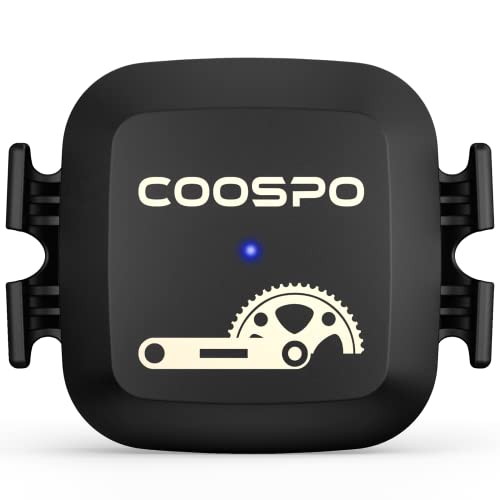
The COOSPO sensor offers both cadence and speed readings and is compatible with major bike computers and apps. It supports Bluetooth and ANT+ connections, with a note that only one app or device can connect via Bluetooth at a time. ANT+ enables multi-device connections, making it suitable for group rides or multiple display setups. The COOSPO unit requires pairing through the app’s sensor search process rather than system Bluetooth browsing.
Key considerations:
- Choose between Bluetooth and ANT+ based on your ecosystem and whether you need multi-device connections.
- When using Bluetooth, ensure you don’t run into conflicts with other Bluetooth sensors or apps.
- Battery life is generally solid for standard training sessions; replace as needed per your usage pattern.
MOOFIT Speed/Cadence Sensor

Moofit’s cadence sensor emphasizes robust app compatibility and dual-protocol support (ANT+ and Bluetooth). The 2nd generation design enhances cadence tracking accuracy and data reliability across popular cycling apps such as Wahoo Fitness, Rouvy, and Peloton ecosystems. The sensor is built to pair with a wide range of devices, from smartphone apps to bike computers and smartwatches, ensuring flexible training data capture.
Key considerations:
- Dual-protocol operation expands compatibility across devices and apps.
- Accurate cadence data supports steady training improvements and pacing strategies.
- Ensure your primary training app supports ANT+ or Bluetooth to maximize utility.
iGPSPORT CAD70 Cadence Sensor

The iGPSPORT CAD70 cadence sensor uses Bluetooth 5.0 and ANT+ to connect with most bike computers and spin bikes. It emphasizes precise cadence measurement through independent algorithms and offers long battery life, reducing the need for frequent replacements. The sensor is designed for easy replacement and maintenance, making it a practical option for riders who value durability and broad device compatibility.
Key considerations:
- Independent cadence measurement algorithms may improve accuracy in varied riding conditions.
- Bluetooth and ANT+ versatility enhances compatibility with carious devices and apps.
- Battery life is a practical factor for extended training blocks or multi-day trips.
CYCPLUS Bike Speed And Cadence Sensor

The CYCPLUS package includes two sensors for simultaneous speed and cadence monitoring. It supports both Bluetooth and ANT+ multi-protocol connectivity, allowing integration with a wide array of devices and training apps. The dual-sensor approach enables easier testing of both speed and cadence without swapping hardware, which can be beneficial for enthusiasts tracking combined metrics across workouts.
Key considerations:
- Two sensors enable seamless testing of speed and cadence without reconfiguration.
- Dual-protocol support broadens compatibility with training apps and bike computers.
- Ensure proper mounting on crank arms and wheels for accurate data capture.
Buying Guide: Key Purchase Considerations
When selecting a cadence sensor for cycling, consider the following factors to ensure you get the best value for your setup:
- Connectivity: Bluetooth vs. ANT+. If you use a mix of devices (phone, bike computer, trainer), a dual-band sensor that supports both protocols reduces compatibility issues. ANT+ tends to support multiple devices more reliably in busy environments.
- Power and battery life: Most sensors use standard coin-cell batteries or pre-installed cells. Check how easy it is to replace the battery and how long it lasts during regular training sessions.
- One sensor vs. two sensors: Some models require separate speed and cadence sensors, while others include both in a single unit. If you need both metrics simultaneously, a dual-sensor package or a single unit that toggles between modes may suit you better.
- App and device compatibility: Verify that your preferred apps (Zwift, Peloton, Rouvy, Wahoo Fitness, etc.) and your bike computer or smartwatch are supported. Some devices require you to pair through the app directly rather than the device’s Bluetooth menu.
- Mounting compatibility: Ensure the sensor fits your bike’s crank arm and wheel hub, and that the mounting method won’t interfere with gears or brakes.
- Data accuracy and latency: Look for sensors with proven cadence accuracy and low latency, particularly if you train for interval pacing or threshold efforts.
- Maintenance: Some units advertise longer battery life or easier battery replacement. If you travel often, consider models with a robust build and water resistance.
Another factor is ecosystem maturity. Prominent brands like Wahoo, Garmin, and iGPSPORT have long-standing app ecosystems and broad device compatibility, which can simplify long-term use and future upgrades. For indoor trainers or mixed cycling environments, selecting sensors with strong app support and reliable ANT+ compatibility is often advantageous.