Discover affordable, feature-rich cycle computers that deliver essential ride data, GPS tracking, and reliable performance for everyday cycling. This guide highlights five budget-friendly options, comparing GPS accuracy, battery life, waterproofing, and ease of use to help you choose the right device for your training, commuting, or weekend adventures.
Summary Table of Selected Products
| Product | Brand | Key Benefit | Waterproof Rating |
|---|---|---|---|
| COOSPO Bike Computer Wireless GPS | CooSpo | Compact 2.4″ GPS with ANT+/Bluetooth | IP67 |
| CATEYE Urban Wireless Bike Computer | CATEYE | Analog speedometer with smart mount | Not specified |
| Bikevee Bike Speedometer GPS | Bikevee | Long battery life with auto start/stop | Not specified |
| CYCPLUS GPS Bike Computer | CYCPLUS | Advanced GPS with automatic backlight | IPX6 |
| iGPSPORT BSC200S | iGPSPORT | Route navigation and Bluetooth/ANT+ support | IPX7 |
COOSPO Wireless GPS Bike Computer
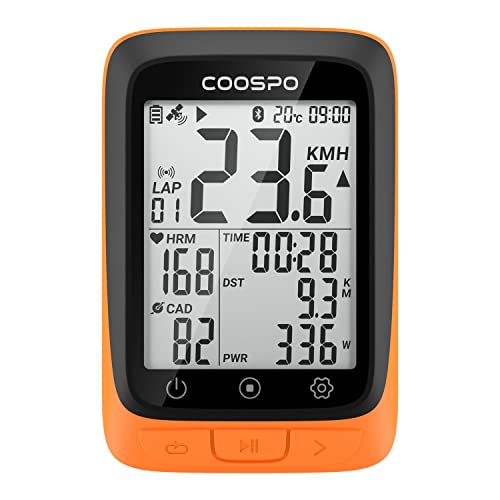
The COOSPO Wireless GPS bike computer uses the BC107 GPS chipset and supports both Bluetooth and ANT+ connections, enabling pairing with heart rate monitors, cadence sensors, and power meters. The 2.4-inch LCD display provides essential ride data in a compact, lightweight chassis designed for simple setup and reliable performance. The device emphasizes cost efficiency without sacrificing core cycling data, making it a practical option for riders who want GPS tracking and sensor compatibility in a budget package. The display is paired with a durable build suitable for daily use, though first-time GPS positioning may take a few minutes outdoors.
CATEYE Urban Wireless Bike Computer

This model combines an analog-style speedometer with modern wireless functionality. It displays current, max, and average speed, total and trip distance, elapsed time, calorie tracking, pace arrow, and a clock. A programmable odometer allows mileage tracking even as batteries are replaced, and the FlexTight Bracket provides quick, secure mounting with easy adjustments. Ideal for riders who prefer a straightforward setup and dependable data without relying on GPS navigation.
Bikevee GPS Wireless Cycling Computer

The Bikevee device offers GPS tracking with auto start/stop and auto backlight for clear visibility in varying lighting. A 650mAh battery provides up to 28 hours of use—well-suited for long rides. The display presents essential metrics like speed, distance, and ride time, with a wireless interface to reduce handlebar clutter. The unit is designed for straightforward operation, making it accessible for riders who want lasting battery life and automatic ride data recording.
CYCPLUS GPS Bike Computer

The CYCPLUS GPS Bike Computer emphasizes dynamic GPS positioning for fast, accurate route tracking. It includes automatic backlight via FSTN technology for high readability in sun or shade and a robust IPX6 waterproof rating. The large battery supports extended ride times, and the screen is designed for easy reading of ride time, distance, altitude, and current route data. This model is suitable for riders who want reliable navigation and persistent visibility in varying weather conditions.
iGPSPORT BSC200S GPS Bike Computer

The iGPSPORT BSC200S supports route navigation via the official app, with the ability to import Strava, Ride with GPS, and Komoot routes. One-touch navigation simplifies starting a ride, while back-to-start and ride-record navigation provide flexible guidance. Smart notifications for calls and messages help keep riders connected without pulling focus from the road. This model suits cyclists who value integrated navigation and convenient route transfer capabilities.
Buying Guide: Key Purchase Considerations
- GPS accuracy and satellite reception. Look for devices offering reliable GPS tracking with minimal drift and fast positioning, especially in urban canyons or densely forested areas.
- Display size, readability, and backlight. A readable 2.4″ screen with an automatic backlight improves daytime visibility and nighttime legibility.
- Sensor compatibility. If you use heart rate monitors, cadence sensors, or power meters, ensure the computer supports ANT+ or Bluetooth connections for seamless data integration.
- Battery life and charging. Longer battery life is beneficial for long rides; verify stated hours and whether the device supports USB charging or rapid top-ups.
- Water resistance and durability. IP ratings indicate resilience against rain and splashes; consider IPX6, IP67, or IPX7 for varying riding conditions.
- Navigation and route features. Some models offer route import, turn-by-turn prompts, and auto re-routing, which can be helpful for new routes or longer adventures.
- Data logging and compatibility. Look for compatibility with popular apps (Strava, Komoot) for route sharing and performance analysis.
- Ease of setup and mounting. Flexible mounting systems (FlexTight, easy clamps) reduce installation time and vibration during rides.
- Price-to-feature balance. Budget options often trade some advanced features for core reliability; prioritize data you routinely use (speed, distance, ride time) over less-used metrics.
- Firmware updates. Devices with companion apps or cloud syncing can receive firmware updates, improving accuracy and new capabilities over time.