Discover the best bike speed sensors to monitor speed, cadence, and distance with precision. This guide highlights reliable options that work with popular apps and bike computers, whether you ride outdoors or on a trainer. Each product below is selected for compatibility, battery life, and ease of installation to help you train more effectively.
Summary of chosen products:
| Product | Brand | Key Benefit | Link |
|---|---|---|---|
| Magene Outdoor/Indoor Speed/Cadence Sensor | Magene | Bluetooth/ANT+ compatibility, dual mode options | Amazon |
| Garmin Bike Speed 2 and Cadence 2 Sensor | Garmin | Self-calibration with Edge devices, reliable data | Amazon |
| Wahoo RPM Cycling Cadence Sensor | Wahoo Fitness | Dual band with wide app compatibility | Amazon |
| iGPSPORT Cadence & Speed Sensor | iGPSPORT | Long battery life, wide device support | Amazon |
| CYCPLUS Speed & Cadence Sensor | CYCPLUS | Two sensors included, multi-protocol | Amazon |
All five selections provide dual data streams—speed and cadence—via Bluetooth and/or ANT+ so you can feed data to multiple apps and displays. They suit road bikes, indoor trainers, and spinning bikes, helping you track performance across workouts and rides.
Magene Speed & Cadence Sensor (Outdoor/Indoor)
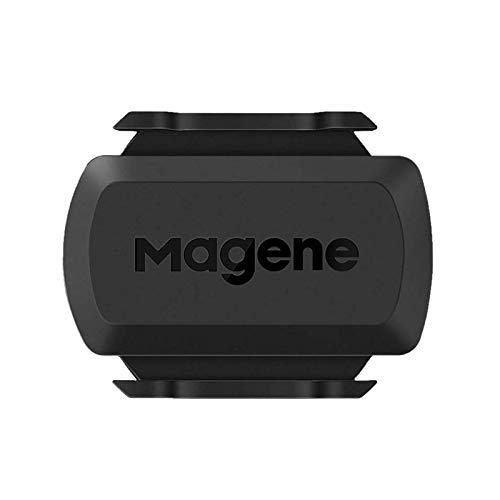
The Magene speed/cadence setup supports wireless Bluetooth and ANT+ communication, enabling compatibility with popular bike computers and apps such as Zwift and Wahoo. Practical considerations include mode selection—each sensor can operate in either speed or cadence mode, requiring two sensors for full dual-channel testing. Battery usage involves removing the insulating sheet prior to use, then re-installing to switch modes. When connected via Bluetooth, a single sensor typically links to one app or device at a time, while ANT+ can pair with multiple devices.
Key features include seamless pairing with multiple devices on ANT+, flexible installation, and a straightforward mode toggle. This sensor is ideal for riders who value cross-compatibility and want a cost-effective, modular approach to speed and cadence data collection.
Garmin Bike Speed 2 and Cadence 2 Sensor

Garmin’s speed sensor attaches to a wheel hub to provide accurate speed and distance, while the cadence sensor clamps to the crank arm to measure pedal revolutions per minute. The devices self-calibrate with compatible Garmin units or Edge computers, ensuring consistent data even when a head unit isn’t present. Bluetooth connectivity enables easy app pairing, and ANT+ support allows live data sharing with multiple displays or training apps. The bundled sensors emphasize reliable performance and straightforward installation for Garmin ecosystem users.
Wahoo RPM Cycling Cadence Sensor
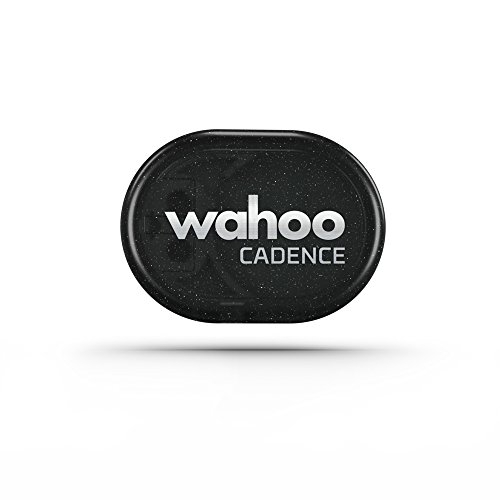
Wahoo’s RPM sensor measures real-time cadence and works with a broad range of training apps, including Zwift and Peloton Digital. It supports both Bluetooth and ANT+ for wide compatibility with mobile devices, bike computers, and smart trainers. The dual-band technology allows simultaneous data transmission to multiple devices, making it suitable for riders who train with several platforms or share data with a coach. The compact design makes installation quick on most crank arms.
iGPSPORT Cadence & Speed Sensor (CAD70+SPD70)
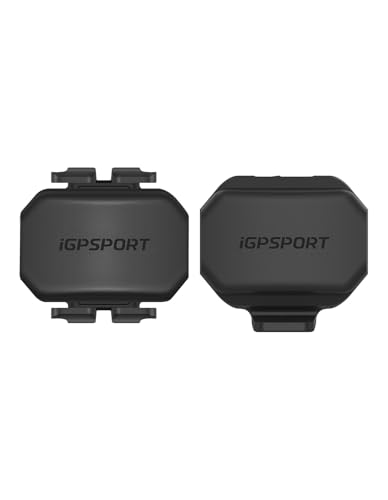
The iGPSPORT sensor duo uses Bluetooth 5.0 and ANT+ to broadcast speed and cadence data, supporting a broad array of devices and apps. The sensors claim up to 300 hours of battery life, a significant advantage for long workouts or multi-day training blocks. The lightweight design suits riders who value portability and simplicity, while the broad protocol support ensures compatibility with most popular cycling computers and mobile apps.
CYCPLUS Two-Pack Speed & Cadence Sensor

The CYCPLUS kit includes two sensors, enabling simultaneous speed and cadence monitoring. It supports both Bluetooth and ANT+ protocols, facilitating broad compatibility with various devices and apps. The dual-mode sensor design makes it convenient for riders who want to test both metrics without purchasing separate units. Quick field setup and reliable data transmission are among the primary advantages of this option.
Buying Guide: Key Considerations for Selecting a Bike Speed Sensor
- Protocol and compatibility: Check that the sensor supports Bluetooth, ANT+, or both to match your bike computer, smartphone apps, and trainer ecosystem. ANT+ often allows multiple devices, while Bluetooth is typically simpler to pair with one device at a time.
- One or two sensors: Decide if you want a single dual-function device or a two-sensor setup. Two sensors (one for speed, one for cadence) can simplify mode switching and ensure consistent readings across devices that support only one metric per sensor.
- Installation and mounting: Look for a design that fits your wheel hub or crank arm securely, with adjustable mounting to fit different bike frames. Consider whether the sensor can move between bikes easily.
- Battery life and maintenance: Longer battery life reduces maintenance and downtime. Some models require removing insulation or swapping batteries; confirm the process and expected lifespan before purchase.
- Calibration and self-adjustment: Some sensors calibrate automatically with specific head units, while others require manual calibration. Self-calibrating sensors simplify setup, especially when transferring between bikes.
- App and platform support: Ensure compatibility with your preferred training apps and platforms (Zwift, Peloton, Wahoo SYSTM, Garmin Connect, etc.). Broad support helps you maximize data insights.
- Data accuracy and latency: Look for sensors with established reputations for precise speed, distance, and cadence readings. Low latency enhances real-time feedback during workouts and rides.
- Water resistance and durability: For outdoor riding, IP-rated sensors withstand sweat and rain. A robust build reduces wear from daily use and trainer sessions.
In selecting a bike speed sensor, users should weigh the balance between installation ease, data reliability, and ecosystem compatibility. Whether training for endurance, cadence optimization, or race performance, these sensors provide essential metrics for data-driven improvement.