The right weightlifting belt can improve core stability, protect the back, and help you lift heavier in squats and deadlifts. This article highlights five top-performing belts, chosen for durability, design, and proven support. Explore features, find sizing guidance, and compare how each belt supports heavy lifts in American gyms and home setups.
| Product | Brand | Key Benefit |
|---|---|---|
| RitFit Weight Lifting Belt | RitFit | 6″ contoured support for back and core |
| IBRO Powerlifting Lever Belt | IBRO | 10mm leather with steel lever for quick, tight fit |
| Gymreapers Quick Locking Belt | Gymreapers | 4″ neoprene-backed, fast lock and release |
| Dark Iron Fitness LG Belt | Dark Iron Fitness | 4″ leather belt with 12-point adjustability |
| Element 26 Self-Locking Belt | Element 26 | Self-locking buckle, uniform 4″ profile |
RitFit Weight Lifting Belt

The RitFit belt is a 6-inch wide contoured design that stabilizes the back, abs, and core to boost lifting power. It aims to prevent back injuries during heavy squats and deadlifts and is suitable for both men and women. The belt is crafted from premium reinforced tricot, balancing durability with comfort to prevent ride-up or digging in during long sessions. Users may experience improved intra-abdominal pressure, contributing to stronger lifts and greater confidence during workouts.
IBRO Powerlifting Lever Belt

The IBRO lever belt uses a 10mm thick leather with a steel lever buckle for rapid, secure tightening. The belt is designed to increase intra-abdominal pressure, supporting heavy lifts with a snug, stable fit. Its double-stitch construction and premium Amara suede leather emphasize durability, ensuring it lasts through years of squats, deadlifts, and other compound movements. The belt’s contoured fit promotes consistent support across workouts and weights, making it a strong choice for serious lifters.
Gymreapers Quick Locking Weight Lifting Belt

This belt features a strong quick-locking buckle designed for rapid transitions between exercises. The belt provides uniform 4-inch support to help maintain intra-abdominal pressure, promoting better form and stability. Although sized by traditional waist measurements can be tricky, the brand cautions measuring around the naval for accurate sizing. It has been competition-tested across Olympic lifting, powerlifting, and CrossFit-style workouts, signaling reliability for a range of heavy-lifting disciplines.
Dark Iron LG Fitness Weight Lifting Belt
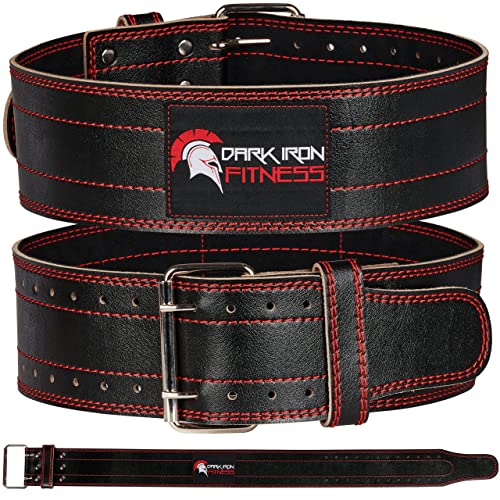
The Dark Iron Fitness belt offers a fully adjustable 4-inch leather design with 12 adjustment points, plus a double-pronged buckle to tailor tightness for maximum support. It’s suitable for powerlifting, bodybuilding, and cross-training, and is designed to be comfortable for many body types. The belt’s leather construction emphasizes durability while maintaining a relatively slim profile, helping lifters maintain posture and keep the core engaged through heavy sets.
Element 26 Self-Locking Weight Lifting Belt

The Element 26 belt uses Self-Locking technology designed to never wear down, offering a dependable release while preventing slips during heavy lifts. The belt’s uniform 4-inch profile aligns with competition standards, providing consistent intra-abdominal pressure across all lifts. It’s specifically designed for serious functional fitness and Olympic-style lifting, with a focus on a secure, easy-to-use buckle that reduces downtime between sets.
Buying Guide: Key Purchase Considerations
Choosing the right belt involves balancing fit, material, and intended use. Consider these perspectives to find the best match for your training:
- Width and profile: A 4-inch belt is common for general powerlifting, while 6 inches can offer more torso support for some lifters. Ensure the belt doesn’t impede hip movement or breathing.
- Fastening mechanism: Levers offer quick tightening, ideal for frequent transitions; self-locking buckles provide reliability and simple adjustments; traditional prong buckles are dependable but may require more fiddling between sets.
- Material quality: Leather belts usually offer durable, long-lasting support, while reinforced fabrics or neoprene-backed belts may prioritize comfort and flexibility. Consider whether you train heavy or more often in endurance sets.
- Fit guidance: Correct sizing is critical. Many brands advise measuring around the naval or considering waist-to-hip proportions. Read sizing charts and consider trying multiple options if possible.
- Competition readiness: If you compete, verify belt conformity with relevant federations to avoid disqualification or fit issues during events.
- Durability and warranty: A robust belt is an investment. Look for reinforced stitching, quality buckles, and a warranty that reflects long-term use expectations.
When evaluating belts, compare how each option aligns with your goals—whether prioritizing maximum support for heavy squats and deadlifts, quick adjustments between sets, or a combination of durability and comfort for longer workouts. The five belts discussed here offer a spectrum of designs intended to support core stability, protect the back, and enhance lifting performance across routines and competition contexts.