Getting into baitcasting can feel daunting, but choosing the right beginner-friendly reel makes a big difference. This guide highlights five reliable options designed to reduce backlash, improve control, and keep casting smooth as you learn the technique. Each reel features magnetic or adjustable braking systems, solid drags, and materials that balance weight with durability. Use the buying guide at the end to compare options and pick the reel that best fits your fishing style and target species.
| Product | Brand | Key Feature | Drag Power |
|---|---|---|---|
| Lacusmall Baitcaster Reels | Lacusmall | 12-point micro-magnetic brake for precise adjustments | 22 lbs |
| Fishdrops Baitcaster Ultra-Light | FISHDROPS | Ultra-light, 11+1BB, high-speed 7.0:1 | 12.12 lbs |
| Bait Casters Reel Carbon Fiber | Generic | 7.2:1 gear ratio, magnetic braking, lightweight | 18 lbs |
| Gaderth Baitcasting Reels | Gaderth | 12+1 BB, 7.2:1 ratio, durable brass gear | 8 kg (≈17.6 lbs) |
| Baitcaster Reels Lightweight 7.2:1 | Generic | Aluminum body, CNC finish, magnetic brakes | 22 lbs |
Lacusmall Baitcaster Reels: Precise Magnetic Braking

The Lacusmall baitcasting reel pairs a smooth casting experience with a 12-point micro-magnetic brake system for precise adjustments. Its teardrop anti-backlash wheel supports accurate light-bait casting and reduces bird’s nests during practice sessions. A 22 lb maximum braking force helps steady heavy lures while maintaining manageable control for a beginner. The reel’s line capacity is suitable for standard freshwater applications, and the high-strength brass gear supports reliable long-term operation.
Fishdrops Ultra-Light Baitcaster: Lightweight Power
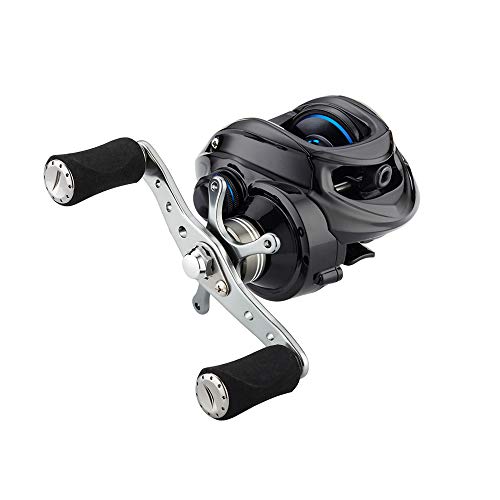
Weighing about 7.5 oz, this ultra-light reel emphasizes portability without compromising strength. The 7.0:1 gear ratio offers quick casts and retrieval, ideal for long sessions. Its 12.12 lb drag provides enough power to handle larger freshwater species. The 11+1 ball bearing setup and one-way clutch contribute to smooth operation, reducing resistance and easing learning curves for new anglers.
Bait Casters Reel: Carbon Fiber Durability

This carbon-fiber-based model emphasizes durability and lightweight operation with a strong 7.2:1 gear ratio and 18 lb braking force. The curved line cup and extended metal arm support long sessions, while the EVA handle offers a non-slip grip for steady control. The magnetic braking system is tuned to reduce backlashes and improve casting consistency across a range of bait weights.
Gaderth Baitcasting Reels: 12+1 Precision

Gaderth delivers a 12+1 ball bearing setup with a 7.2:1 gear ratio and a durable brass gear. This reel emphasizes smooth retrieval and long service life in diverse fishing environments. The durable construction supports frequent use, with a focus on corrosion resistance and reliable performance in both freshwater and saltwater settings.
Generic Lightweight 7.2:1 Baitcaster: Modern Casting Control

An aluminum alloy body with CNC finish and magnetic brakes makes this reel a solid option for beginners. The 7.2:1 gear ratio supports fast retrieves for quick fish targets, while the 22 lb max drag offers robust stopping power. The ceramic guide ring enhances durability, and the overall lightweight construction supports comfortable all-day casting.
Buying Guide: Key Purchase Considerations
- Braking System: For beginners, magnetic brakes with adjustable settings help reduce backlash and improve casting control. Look for reels that offer easy brake adjustments and a clear tuning range for different lure weights.
- Gear Ratio: A 7.0:1 to 7.5:1 ratio is a versatile starting point, enabling smooth casting and efficient retrieval for a wide range of lures. Higher ratios suit fast-paced presentations, while moderate ratios balance power and control.
- Drag Power: A drag range around 12–22 lbs is typically sufficient for common freshwater species. Consider higher drag if you plan to target larger fish or saltwater species.
- Weight and Balance: Lighter reels reduce fatigue during long fishing sessions. Carbon fiber, aluminum, and compact low-profile designs help maintain balance with smaller rods.
- Bearings: More bearings generally mean smoother performance, but not all are necessary for beginners. An 9+1 or 11+1 setup is common in entry-level reels.
- Durability: Brass gears and corrosion-resistant components extend reel life in harsh environments. Pay attention to line cups and frame materials.
- Size and Handedness: Choose a reel that matches your dominant hand and rod type. Right-handed reels are common, but left-handed options are widely available.
- Line Capacity: Ensure the line capacity suits your target species and lure weights. Consider common monofilament and braid practices when selecting capacity.
- Maintenance: Look for reels with accessible maintenance options, sealed bearings, and simple disassembly for cleaning and lubrication.
- Compatibility: Verify compatibility with your rod length, fishing style (freshwater vs saltwater), and local fishing regulations or conditions.